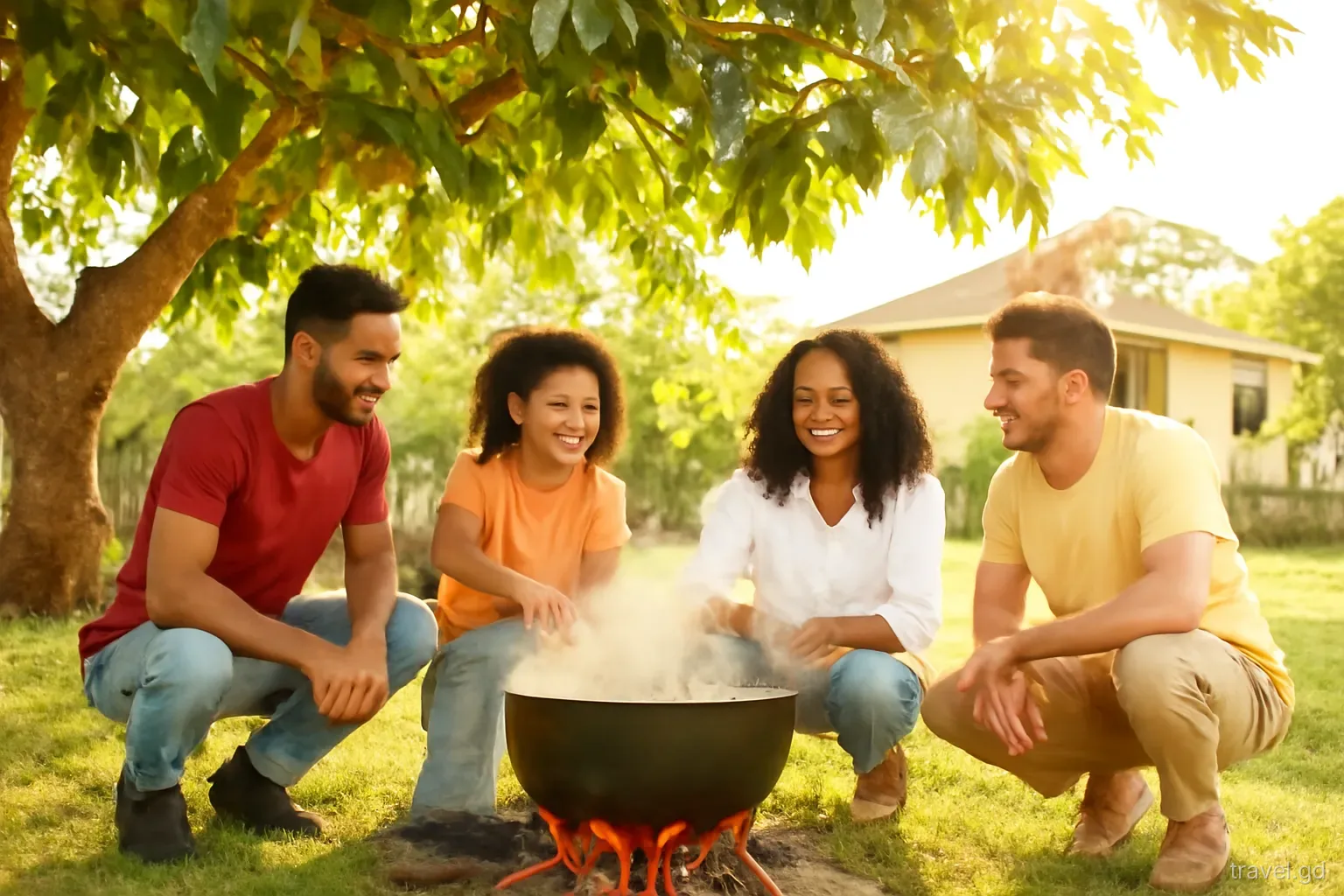
Eating oil down in a restaurant is one thing. Taking part in one, from the peeling of the breadfruit to the moment the pot is tipped onto a table and everyone digs in, is another. In Grenada, oil down is less a recipe than an occasion: friends, family or a whole sports club gather around a big pot, usually outdoors over a wood fire, and the afternoon is as much about the company as the food.
Visitors can share in that experience in several ways, from organised oil down tours and cooking classes to community events and an invitation from a host. This guide explains what happens at an oil down, how to find one, what to expect over the hours it takes, and the etiquette that makes a guest welcome.
What actually happens at an oil down
An oil down is cooked in a single large pot, often a heavy iron or aluminium one, layered with ingredients that release their flavours into coconut milk. The usual base is breadfruit cut into chunks, along with salted meat such as pig tail or salt beef, sometimes salted fish, chicken or seafood. Dumplings made from flour, callaloo leaves, carrots, green bananas or dasheen and a mix of seasonings including turmeric, chives, thyme and hot pepper complete it.
The cooking is slow. Coconut milk, often freshly grated and squeezed, is poured over the layers and the pot is covered and left to simmer until the milk is absorbed and the oil from the coconut separates at the bottom. That is where the name comes from. A good oil down takes a couple of hours of cooking, plus preparation time that can easily match it.
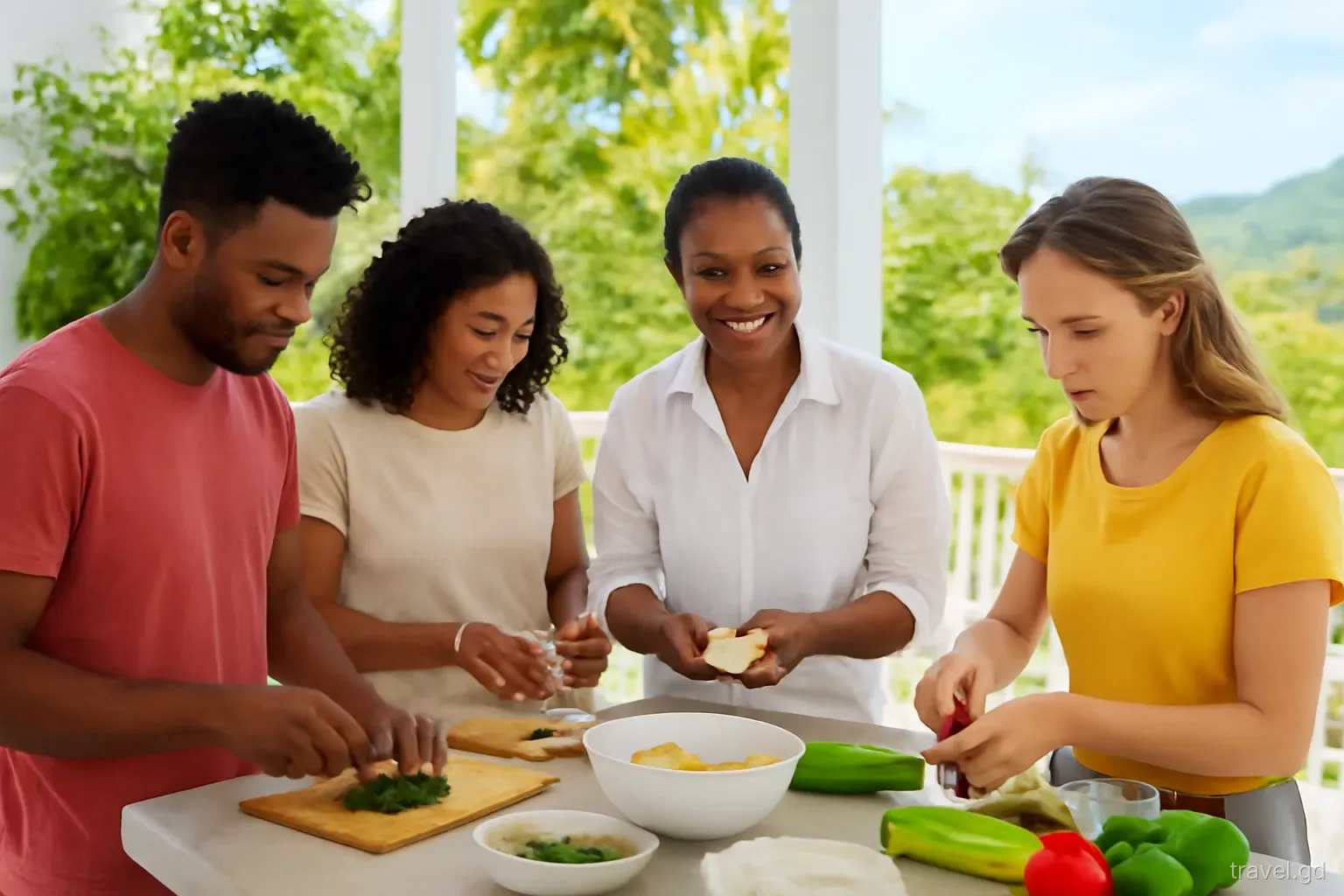
The preparation is where the social side shines. People peel breadfruit, grate coconut, knead dumplings and prepare the meat while talking, joking and drinking. The finished pot may be served straight onto plates, or, at informal gatherings, onto banana or other leaves. It is eaten while hot, and the shared effort makes it taste better.
Ways to take part as a visitor
Organised oil down experiences. Some tour operators and cooking schools run oil down sessions where you help prepare and cook the dish, often outdoors in a garden or estate setting, with a guide explaining each ingredient. These are the most reliable way to take part during a short stay.
Cooking classes. Several cooking classes in Grenada include oil down as one of the dishes, usually in a shorter format with some steps prepared in advance. Ask whether you will cook the whole dish or watch a demonstration.
Community and sports events. Clubs, churches and community groups sometimes hold oil downs as fundraisers or celebrations, particularly on weekends and public holidays. Your host or a local driver may know of one; visitors are often welcome to buy a plate.
An invitation from a host. Guesthouse owners, villa managers and Grenadian friends sometimes invite visitors to a family oil down. If you are invited, accept: it is the most genuine version of the experience.
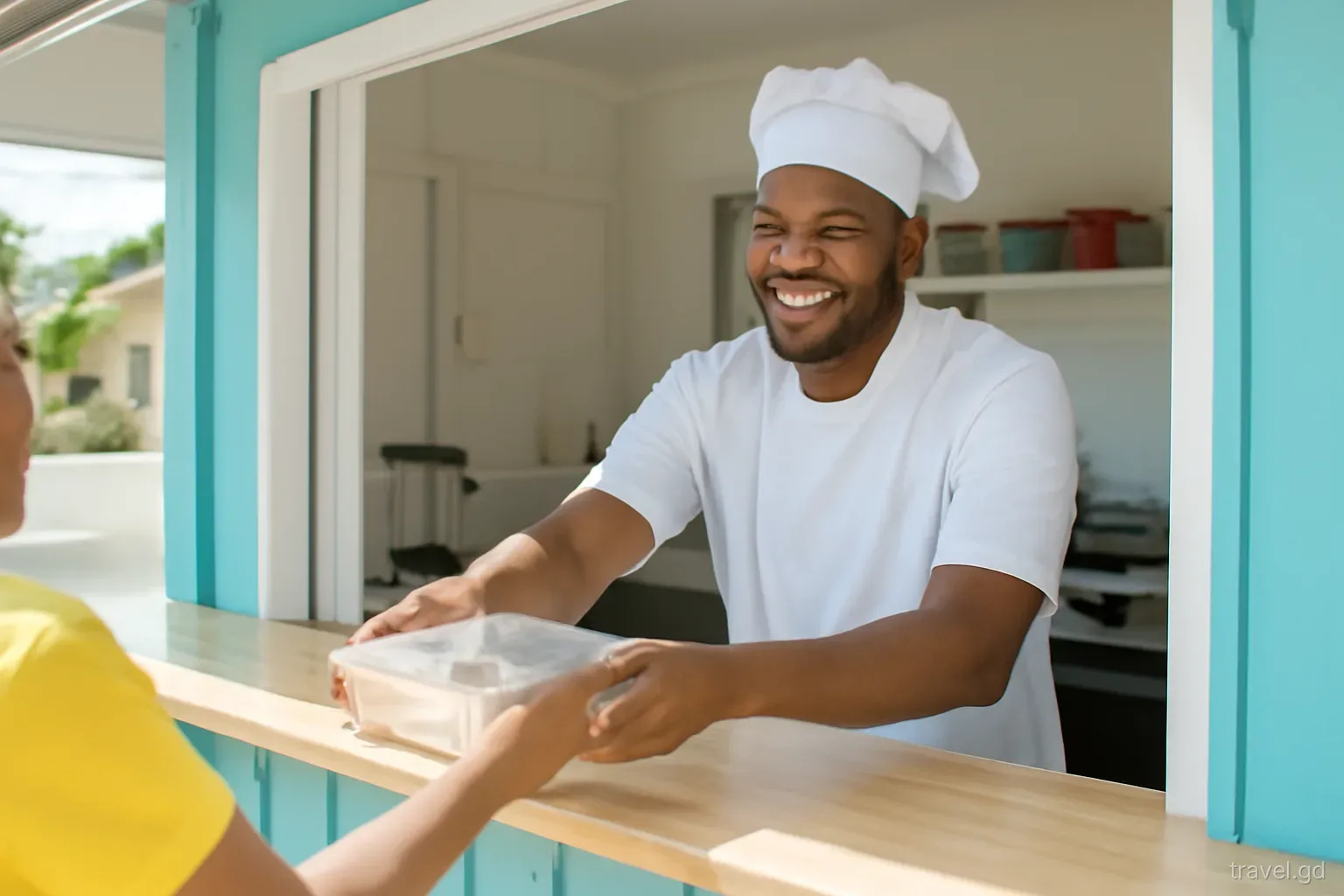
Restaurants and food days. Some local restaurants serve oil down on particular days. This is the simplest way to taste it, though you miss the gathering.
How an afternoon usually unfolds
Timings vary with the group, but a typical oil down afternoon looks something like this.
- Late morning: the fire is built from wood or charcoal, and the big pot is checked and cleaned.
- Preparation: breadfruit is peeled and cut, coconut is grated and squeezed for its milk, salted meat is soaked or boiled to remove excess salt, and dumplings are kneaded and rolled.
- Layering: the meat goes in first, then breadfruit, provisions and dumplings, with callaloo and seasonings layered between them.
- Cooking: coconut milk is poured over, the pot is covered with leaves or a lid, and it simmers for a couple of hours. People drink, talk, play dominoes and keep an eye on the fire.
- Checking: the cook lifts the cover to see whether the milk has been absorbed and the bottom shows oil. Experienced cooks know by smell.
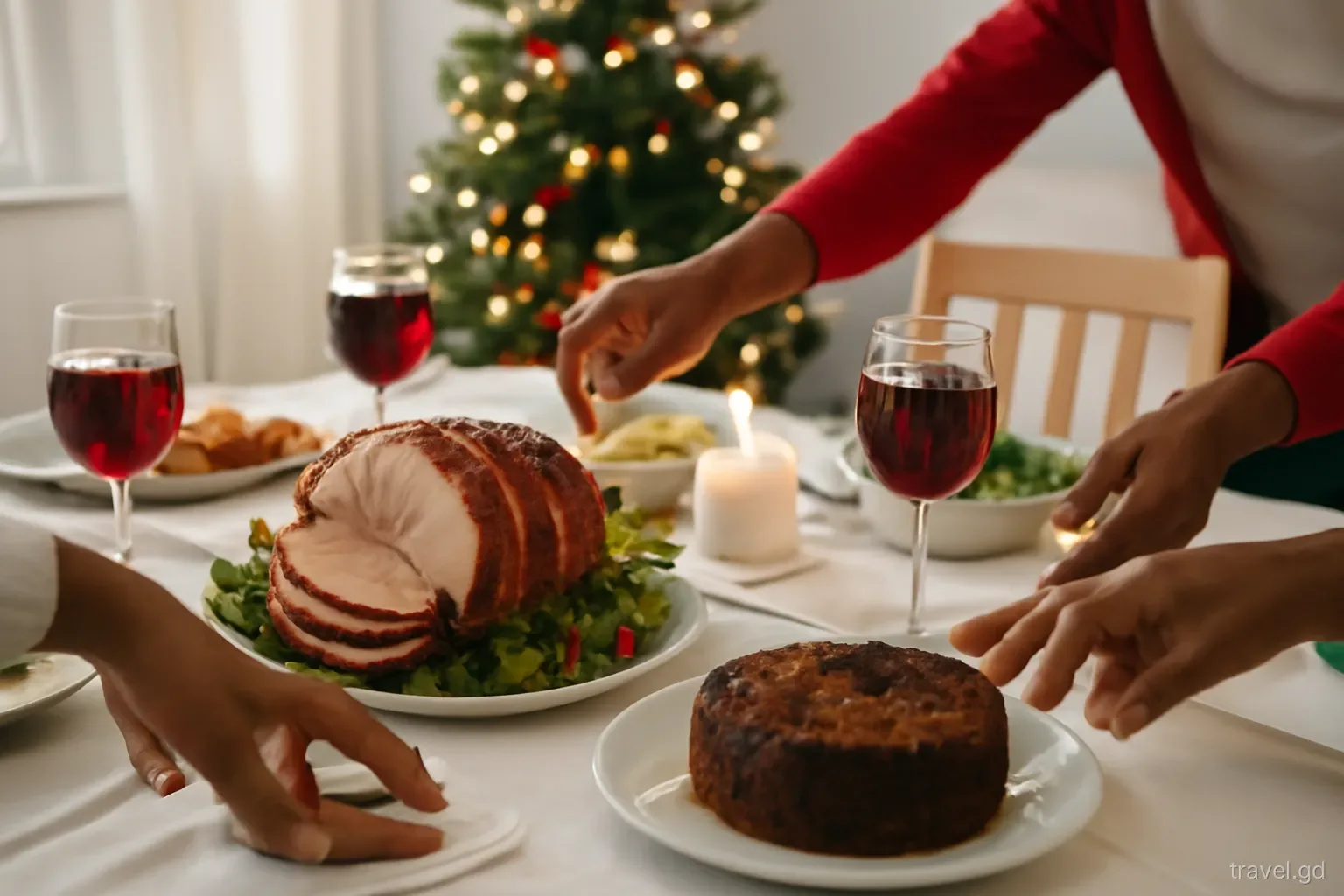
- Serving: the pot is tipped out or served directly, and everyone eats together. Leftovers are shared out to take home.
Etiquette for guests
Offer to help. Peeling, grating and kneading are all useful, and helping is how you become part of the group rather than an observer. Ask the cook what is needed.
Bring something. If invited to a private oil down, offer a contribution: drinks, ice, or money towards ingredients. Ask your host what is appropriate.
Be patient. An oil down cannot be hurried. Expect to spend the afternoon, and do not plan anything tight afterwards.
Respect the cook. Every cook has their own method, seasoning and order of layering. Advice is rarely welcome; questions are.
Pace the rum. Rum and beer flow at many oil downs, and afternoons are long and hot. Drink water too, and do not drive afterwards if you have been drinking.
Ask before photographing people. The pot and food are fine to photograph; people and private homes need permission.
What a good oil down tastes like
First-timers are sometimes surprised by oil down. It is not a soup or a stew in the usual sense: the coconut milk is absorbed almost entirely, leaving tender, rich chunks of breadfruit and dumpling that have soaked up the flavours of the salted meat, coconut and seasonings. The turmeric gives everything a golden colour, and the callaloo adds a soft, green, slightly earthy note.
A well-made pot is savoury and filling rather than spicy; heat comes from hot pepper added whole or chopped, and cooks adjust it for the crowd. The salted meat should be pleasantly salty but not overpowering, which is why it is soaked or boiled first. The bottom layer, where the oil gathers, is prized by many for its depth of flavour. Expect a heavy meal: most people need a rest afterwards, which is part of the custom.
Cooking oil down at home after your trip
Many visitors want to recreate the dish at home. Breadfruit can be found fresh or frozen in Caribbean and some Asian or African grocery shops in larger cities, and green bananas or firm potatoes can stand in at a pinch. Tinned coconut milk works, though freshly grated coconut gives a richer result. Salted pig tail or salt beef is sold in Caribbean shops; smoked turkey or salted cod are alternatives.
Turmeric, often called saffron in Grenada, chives, thyme, garlic and a hot pepper complete the seasoning. Spinach or chard can replace callaloo, though the taste is different. Use a heavy pot with a tight lid, keep the heat low, and resist stirring, which breaks the breadfruit. Grenadian spices bought during your trip, especially nutmeg and turmeric, help the flavour. Ask your cooking class instructor for their proportions before you leave.
Practical points before you book or accept
Organised experiences vary a lot in length, setting and what is included. Before booking, ask how long the session lasts, whether transport is included, whether you will cook or watch, and what the dish will contain. Traditional oil down uses salted pork or beef, so vegetarians, people who avoid pork and anyone with allergies should ask whether an alternative pot can be made. Many cooks are happy to make a vegetarian version or one with fish or chicken if they know in advance.
The setting matters too. Outdoor oil downs are hot and smoky, with insects in the late afternoon. Wear clothes you do not mind smelling of wood smoke, bring insect repellent and a hat, and stand upwind of the fire.
Oil downs often happen on weekends and public holidays, when families and groups have time. If your stay is short, organise an experience early in the trip so that you can reschedule if weather or numbers force a change. Prices for organised experiences vary and change; confirm what is included before you pay.
Frequently asked questions
Can tourists take part in an oil down in Grenada?
Yes. Some tour operators and cooking classes run oil down experiences where visitors help prepare and cook the dish. Community events and invitations from hosts are other ways to join. Ask your accommodation or a local guide about options during your stay.
How long does it take to cook an oil down?
Preparation and cooking together usually take several hours. The pot itself typically simmers for around two hours, but peeling breadfruit, grating coconut and preparing meat and dumplings adds a good deal of time. Expect to spend an afternoon.
What is in a Grenadian oil down?
The base is breadfruit cooked in coconut milk with salted meat such as pig tail or salt beef, dumplings, callaloo, provisions and seasonings including turmeric and thyme. Versions with chicken, fish or seafood are common, and vegetarian pots can be made on request.
Is there a vegetarian oil down?
Traditional oil down uses salted meat, but many cooks are happy to make a vegetarian version with extra provisions, vegetables and dumplings. Ask well in advance when booking an experience or accepting an invitation, so that a separate pot can be prepared.
Should you bring anything to an oil down?
If invited to a private gathering, it is polite to offer drinks, ice or a contribution towards ingredients. Ask your host what would help. For organised experiences, the price normally includes ingredients, but confirm whether drinks are extra.