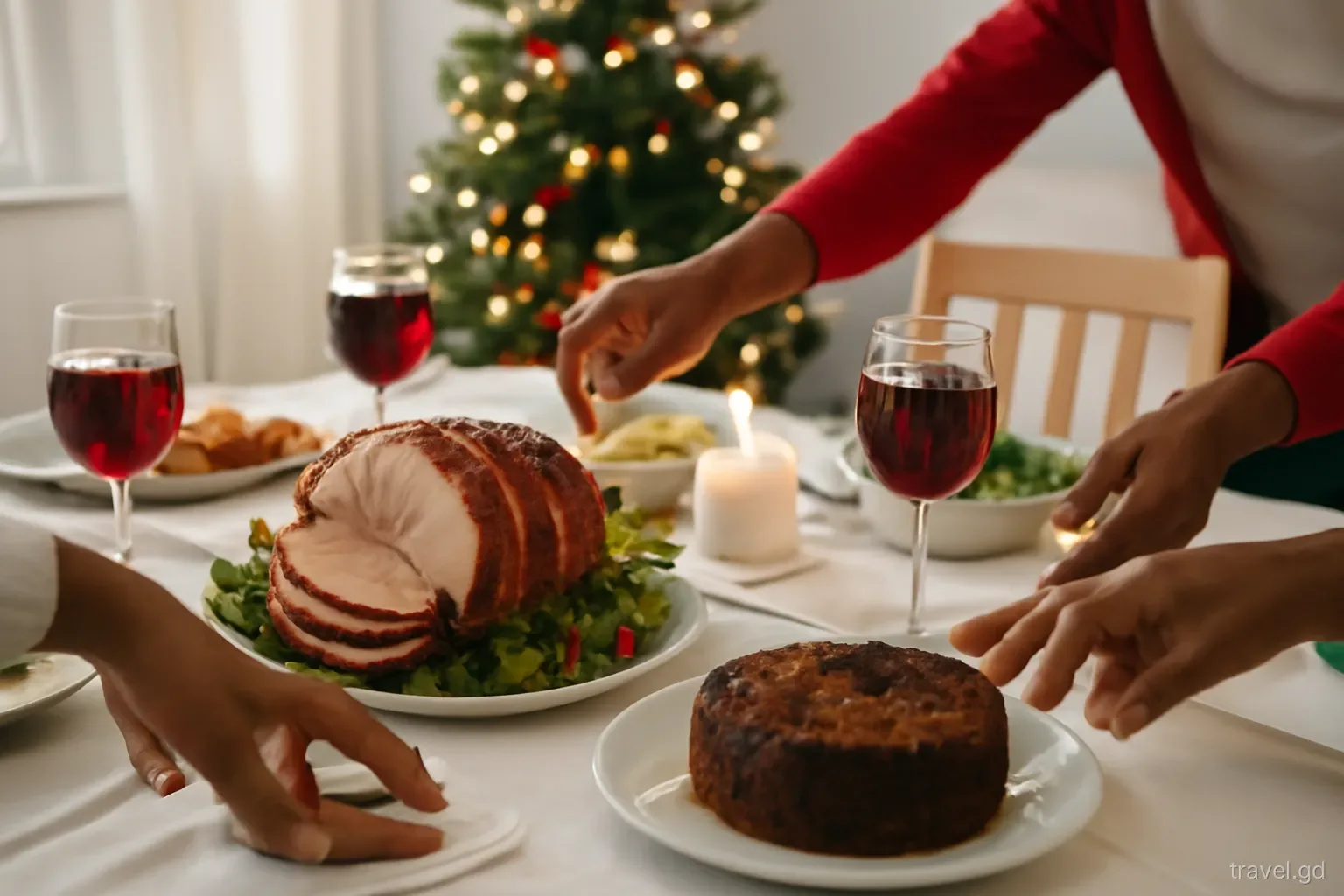
A good food experience can be the highlight of a trip to Grenada. Walking through a market with someone who can name every fruit, learning to season fish the way a Grenadian grandmother does, or tasting rum where it is distilled gives a feel for the island that no restaurant meal can match. A poor one, on the other hand, can be a rushed van ride with a few samples and a hard sell at the end.
The range on offer has grown, from market walks and street-food evenings to cooking classes in homes and estate lunches. This guide explains the main types of food experience in Grenada, the questions to ask before you book, how to handle dietary needs and the warning signs that an experience is not what it claims. It names no individual companies, since operators change; use recent reviews and the advice below to choose.
The main types of food experience
Market tours. A guided walk around Market Square in St George's, usually on a Saturday morning, with tastings of fruit, juices and snacks and explanations of spices and provisions. Short, affordable and a good first-day activity.
Street-food and evening tours. Evening tours that visit roadside barbecue, roti stands and local bars, sometimes including Gouyave's Friday fish night when it is running. They suit adventurous eaters and those who would like a guide to navigate local spots.
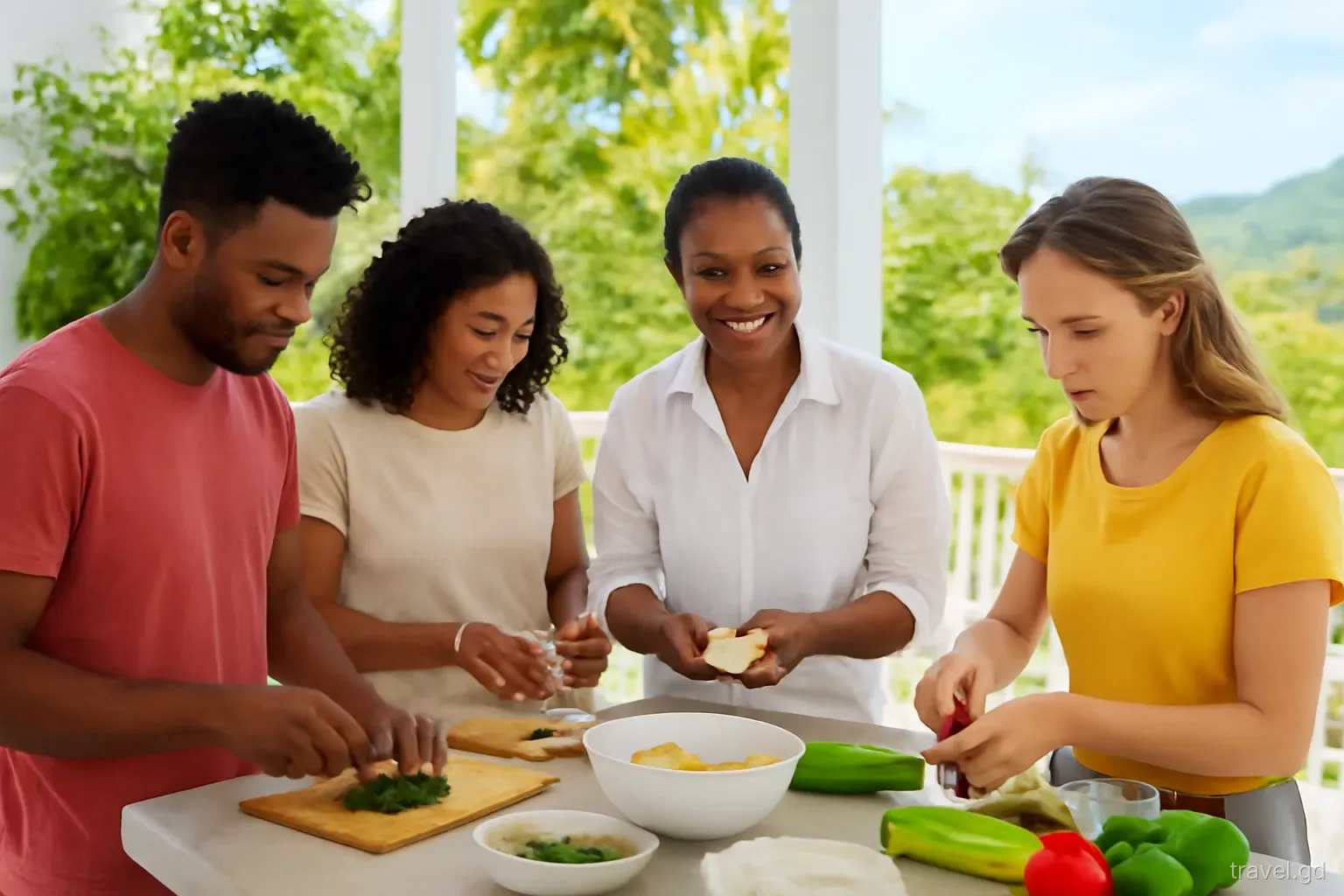
Cooking classes. Classes in private homes, guesthouses, villas or hotels, covering dishes such as oil down, callaloo soup, fish Creole, roti or bakes. Length ranges from a couple of hours to most of a day, often ending with a shared meal.
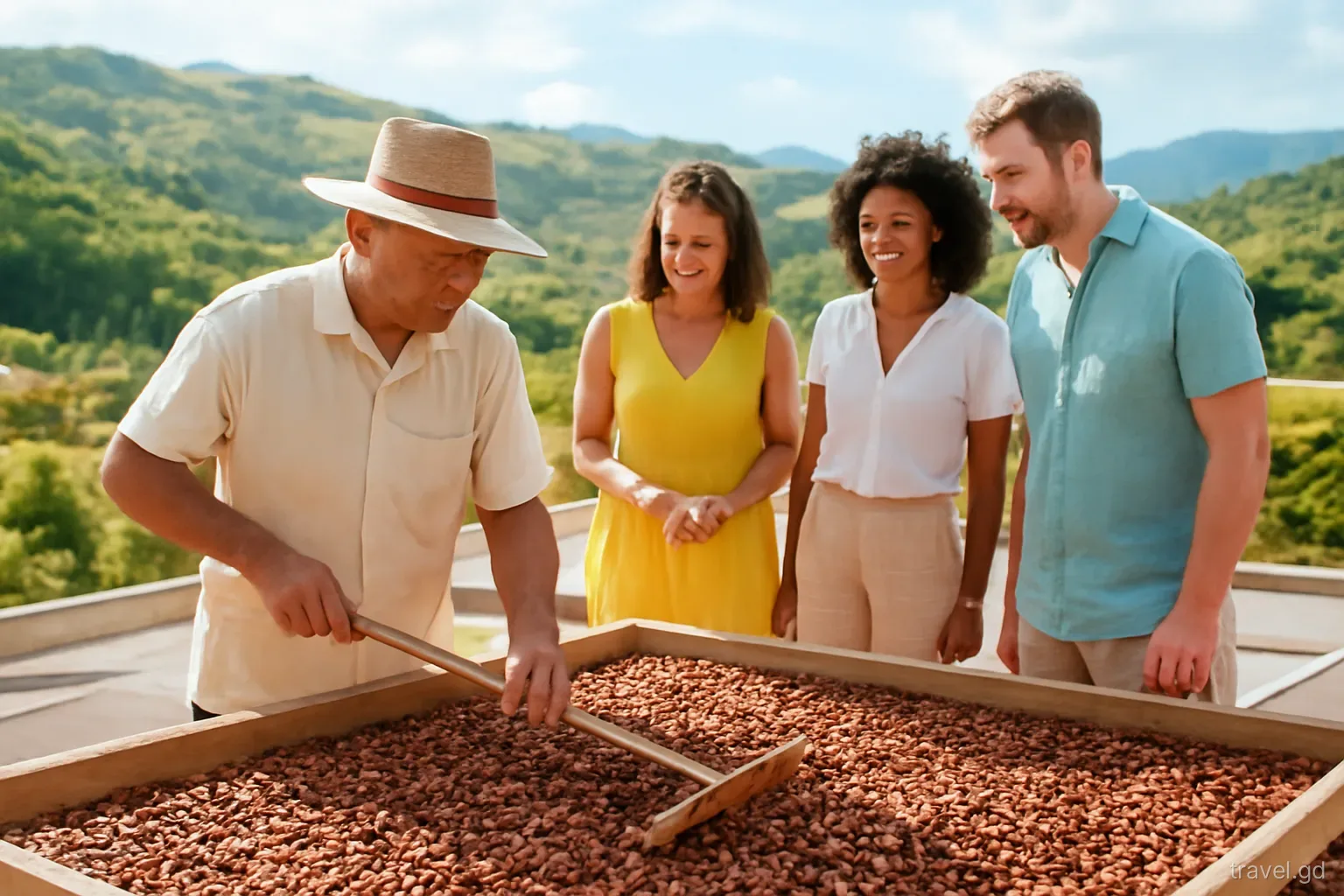
Spice and estate tours. Day trips combining spice gardens, nutmeg processing, cocoa estates and a Grenadian lunch, sometimes with a waterfall or rainforest stop. More sightseeing than cooking.
Rum tastings and distillery tours. Visits to distilleries such as Clarke's Court, Westerhall and River Antoine, with a look at the process and a guided tasting.
Chocolate workshops. Sessions where you roast, grind and temper chocolate, run by makers, estates or during the Grenada Chocolate Fest in late May.
Catch-and-cook trips. Some fishing charters will clean and cook part of the catch, or arrange for a restaurant to do so. Ask in advance if this matters to you.
Questions to ask before booking
A few direct questions reveal most of what you need to know about a food experience.
- How many people are in a group? Smaller groups mean more hands-on time and conversation.
- Will you cook, or watch? Some classes are demonstrations with tasting; others put a knife in your hand. Both are fine, but know which you are paying for.
- What dishes are included, and can they change? Dishes may depend on what is fresh. A good host explains this.
- What is included in the price? Ingredients, drinks, transport, entrance fees, a full meal or tastings only?
- How long does it last, door to door? Include transport time, especially for tours to the north of the island.
- Can dietary needs be met? Ask specifically about vegetarian, vegan, gluten-free, pork-free or allergy requirements.
- What is the cancellation policy? Weather, low numbers and holidays can cause changes. Know what happens.
- Are the guides local, and are the operator and guides licensed? Ask; reputable operators will answer readily.
Dietary needs and allergies
Grenadian cooking uses a lot of salted meat, especially pork, as a flavouring, and fish and shellfish appear in many dishes. Coconut milk is everywhere, wheat flour is used in dumplings and bakes, and peanuts appear in some sweets. Anyone with dietary restrictions or allergies should raise them when booking, not on the day, so that hosts can plan ingredients and, if needed, cook separately.
Vegetarians usually do well: provisions, callaloo, vegetable roti, rice and peas and fruit are common, and many hosts can make a meat-free oil down. Vegans should ask about butter, milk and eggs in baked goods and side dishes. Be specific: in some places, vegetarian may be understood to include fish or chicken stock, so explain exactly what you do and do not eat.
For serious allergies, ask about shared oil, grills and utensils, and carry any medication you need. Rural tours may be some distance from medical facilities, so make sure your guide knows about the allergy and that someone in your group knows how to use an auto-injector if you carry one.
Halal, kosher and other religious requirements are harder to meet at short notice, since most meat is sourced locally without certification. Discuss them openly with the host; many will suggest a fish or vegetable menu as a practical solution.
Red flags and how to avoid them
Vague itineraries. If an operator cannot tell you what you will eat, where you will go or how long it lasts, keep looking.
Large groups sold as intimate. Photos of four people around a pot do not help if the reality is twenty in a minibus. Ask for the maximum group size.
Heavy shopping stops. Some tours spend more time in shops paying commission than at food stops. Ask how much time is spent shopping.
No local connection. The best food experiences are led by people who cook and eat this food. Ask about the host's background.
Old reviews only. Experiences change with staff and circumstances. Look for recent reviews, ideally from the past year.
Pressure to pay everything in cash in advance. A deposit is normal; full cash payment upfront to an unknown operator is a risk. Use a traceable payment method.
Fitting a food experience into your trip
Where you stay shapes which experiences are practical. Most visitors are based around Grand Anse, Morne Rouge, Lance aux Epines and the south coast, which puts St George's market tours, distilleries such as Clarke's Court and cooking classes in the south within a short drive. Estate lunches, cocoa farms and River Antoine are in the north and north-east, an hour or more each way, and are best treated as a full-day outing rather than squeezed into an afternoon.
Think about the day of the week. Saturday is the natural day for a market tour, Friday evening for a street-food outing, and weekends for community oil downs. Estates and processing stations may have shorter hours or close at weekends, so a weekday suits those visits better. If you are in Grenada for a week, one food experience early in the trip and one later works well: the first teaches you what to look for, and the second lets you go deeper.
Families should ask whether children are welcome and whether there is anything for them to do. Many hosts enjoy having children help with simple tasks such as kneading dumplings or peeling bananas, and market tours with tastings of fruit and juices tend to go down well with younger travellers.
Getting the most from the experience
Arrive hungry, and do not plan a big lunch before an afternoon class. Wear comfortable clothes and closed shoes if you will be cooking, since kitchens can be hot and floors slippery, and bring a hat and sunscreen for outdoor kitchens and market walks. Insect repellent helps at garden and estate settings in the late afternoon.
Ask questions throughout. Hosts enjoy sharing family recipes, the names of ingredients and stories behind dishes, and those conversations are often the best part of the day. Take notes or photos of ingredients and steps, with permission, so that you can try the dishes at home.
Book early in your stay. If the weather or numbers force a change, you will have time to reschedule, and what you learn will make the rest of your meals in Grenada more interesting. Tipping guides and hosts is appreciated when the service is good, though not obligatory; check whether a service charge is already included.
Frequently asked questions
Are there cooking classes in Grenada for visitors?
Yes. Cooking classes are offered in homes, guesthouses, villas and some hotels, covering dishes such as oil down, callaloo soup, fish Creole and bakes. Formats range from short demonstrations to hands-on sessions ending with a shared meal. Book in advance.
What is the best food tour in Grenada?
It depends on your interests. A Saturday market tour in St George's is a good introduction, a cooking class suits hands-on learners, and estate or rum tours combine food with sightseeing. Choose a small-group operator with recent positive reviews.
Can food tours in Grenada cater for vegetarians?
Usually, if you tell them when booking. Provisions, callaloo, vegetable roti and fruit are common, and many hosts can adapt dishes such as oil down. Be specific about what you do not eat, including stocks and seafood.
How long does a cooking class in Grenada take?
Most classes last from two hours to half a day, including the meal. Longer experiences that include market shopping or an estate visit can take most of a day. Confirm the length, including transport time, when booking.
Should you tip food tour guides in Grenada?
Tipping is appreciated for good service but is not compulsory. Check first whether a service charge is already included in the price. Paying in EC or US dollars is fine; give the tip directly to the guide or host.