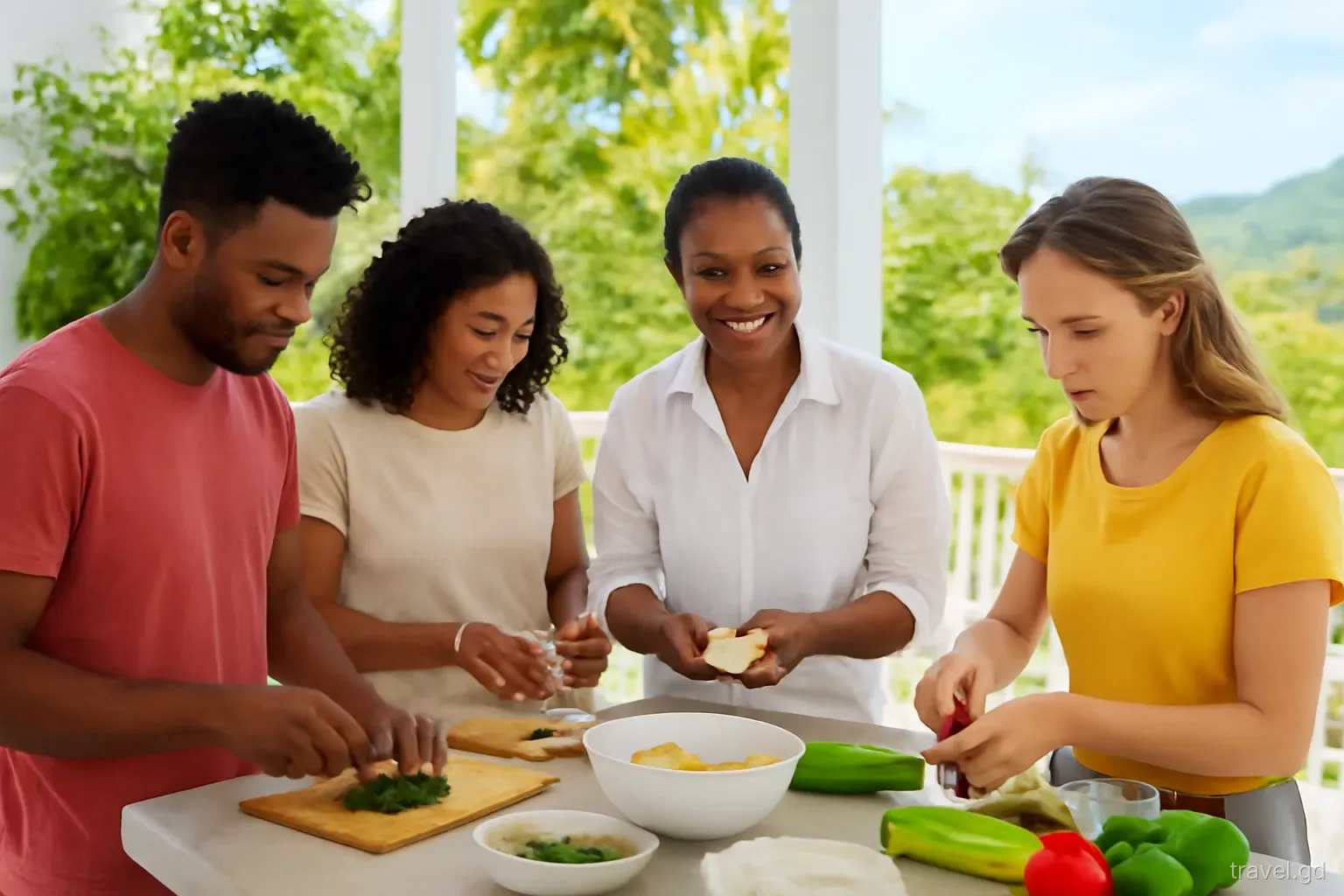
Grenadian food follows the calendar more closely than most visitors realise. Fruit comes and goes with the seasons, fishing changes with the weather, and the big festivals each have their own dishes and drinks. A trip in May tastes different from one in December, and timing a visit around a food moment, such as mango season, Spicemas or Christmas, adds a great deal to the experience.
This guide walks through the year from a visitor's point of view: what is in season, which festivals bring which foods and what to look out for in each period. Exact dates of festivals change from year to year, and some events have been affected by hurricanes and other disruptions, so confirm details before you travel.
January to March: dry season and Independence
The early months of the year bring the driest, most settled weather and the peak of the tourist season. Fishing boats get out regularly, so fresh fish is plentiful, and the cooler evenings suit long dinners. Star apples, with their purple or green skins and milky, sweet flesh, appear in markets, along with citrus and the last of the winter fruit.
Independence Day on 7 February is the main national celebration, marking independence from Britain in 1974. Events include ceremonies and parades in St George's, and community celebrations around the island often feature local food, with oil down, roasted corn, barbecue and local drinks.
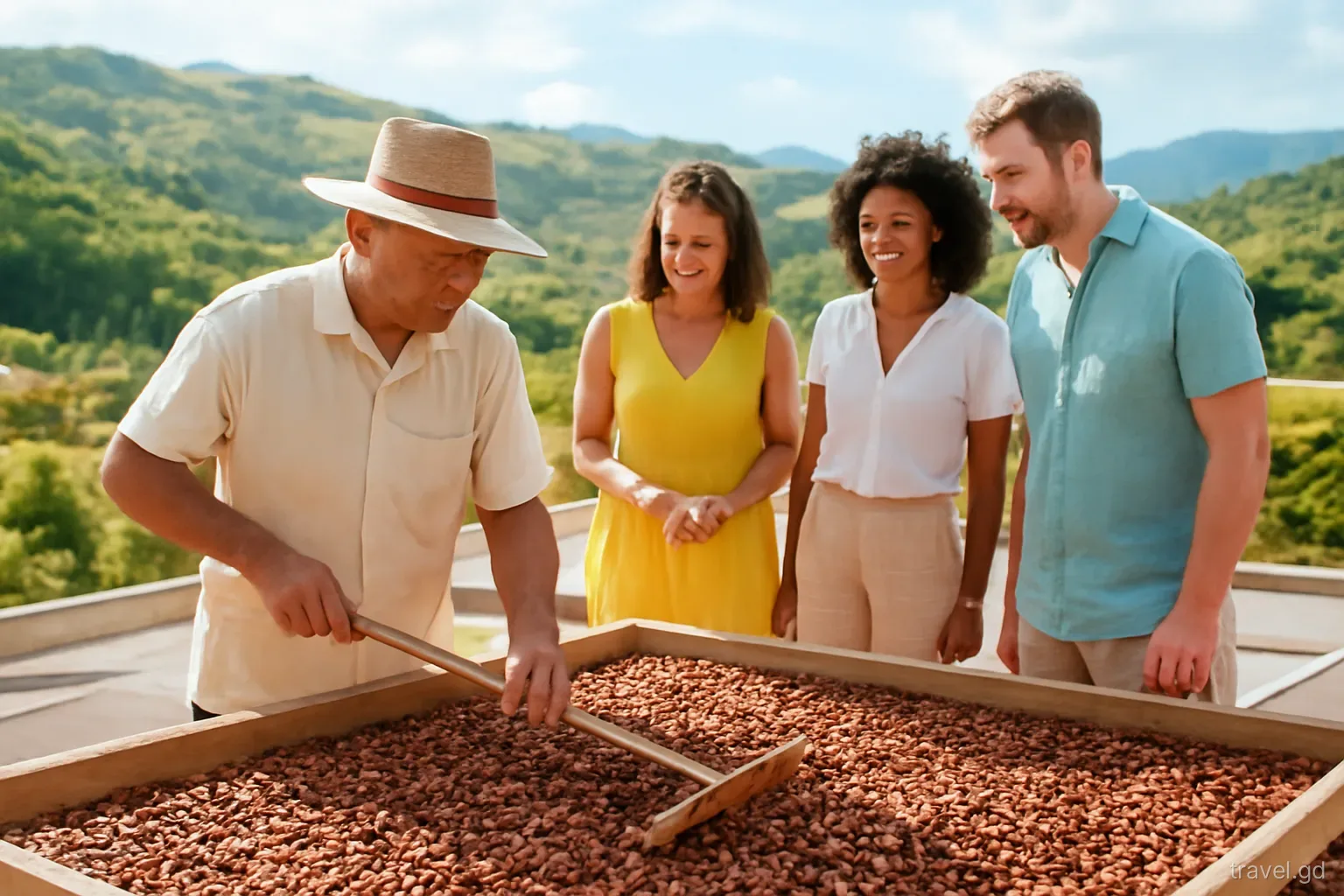
This is also a good time for estate visits and cocoa tours, as drier weather makes roads easier and drying trays busy. Visitors in these months can count on a full programme of restaurant and resort dining, since everything is open for the high season.
Easter, April and May: fish, music and chocolate
Easter is a major family time in Grenada. On Good Friday, many households avoid meat and eat fish, often stewed, fried or in a broth, with bakes and provisions, and hot cross buns are sold in bakeries in the days around Easter. Easter Monday is a public holiday when many families head to the beach for picnics, and beaches such as Grand Anse are lively with food and music.
Late April has traditionally brought the Carriacou Maroon and String Band Music Festival, which draws on the island's Maroon tradition of communal cooking and shared meals with music. Events in Carriacou have been affected by Hurricane Beryl, so check whether and how it is running before planning around it.
May brings the Grenada Chocolate Fest in the second half of the month, with farm tours, tastings and chocolate-themed meals. Mangoes start appearing in quantity, and by late May and June the trees are heavy with fruit. It is a good month for food-focused visitors, with the end of the dry season and fewer crowds than winter.
June and July: mangoes, fishermen and the lobster closure
Mango season. Mango trees across the island fruit heavily in early summer, and markets and roadside stalls overflow with varieties of every size. Mangoes are eaten fresh, made into juice and chow, a sharp snack of green mango with lime, salt, garlic and pepper.
Fisherman's Birthday. On 29 June, the feast of St Peter, fishing communities celebrate with the blessing of boats, especially in Gouyave, followed by food, music and festivities. It is one of the best days of the year for fresh seafood in a festive atmosphere.
The lobster closure. Grenada closes the lobster fishery for part of the year to protect breeding stocks, typically through the summer months; the exact dates are announced each year by the fisheries authorities. Do not order lobster during the closed season.
Corpus Christi and other holidays. Public holidays bring families together, and community cook-ups and oil downs are common on long weekends.
Rain arrives. The wetter season begins in June, bringing lush growth and the start of the hurricane season. Showers are usually short, but plan outdoor food events with flexibility.
August: Spicemas and carnival food
Spicemas, Grenada's carnival, reaches its climax in August, with the main parades usually on the second Monday and Tuesday of the month. Weeks of calypso, soca and steel band competitions lead up to it, and the final days include J'ouvert, when revellers in oil and paint, known as jab jabs, take to the streets before dawn, and the parade of costumed bands on Tuesday.
Carnival food is street food: corn soup sold from big pots, roadside barbecue chicken and pork, roti, fish cakes, souse, oil down and plenty of local drinks, from beer to rum punch and fresh coconut water. Food stalls cluster along the parade routes and at venues in St George's.
Emancipation Day on 1 August is a public holiday and the start of the festival period. In Carriacou, the regatta has traditionally been held around this time, with boat races and community events. If you are visiting at carnival time, book accommodation early and expect busy roads, long nights and a lot of very good street food.
September to December: a quiet season, then Christmas
September and October are the quietest months for visitors, and some restaurants close for maintenance or holidays, so check before going. Thanksgiving on 25 October is a public holiday in Grenada, marking the events of 1983.
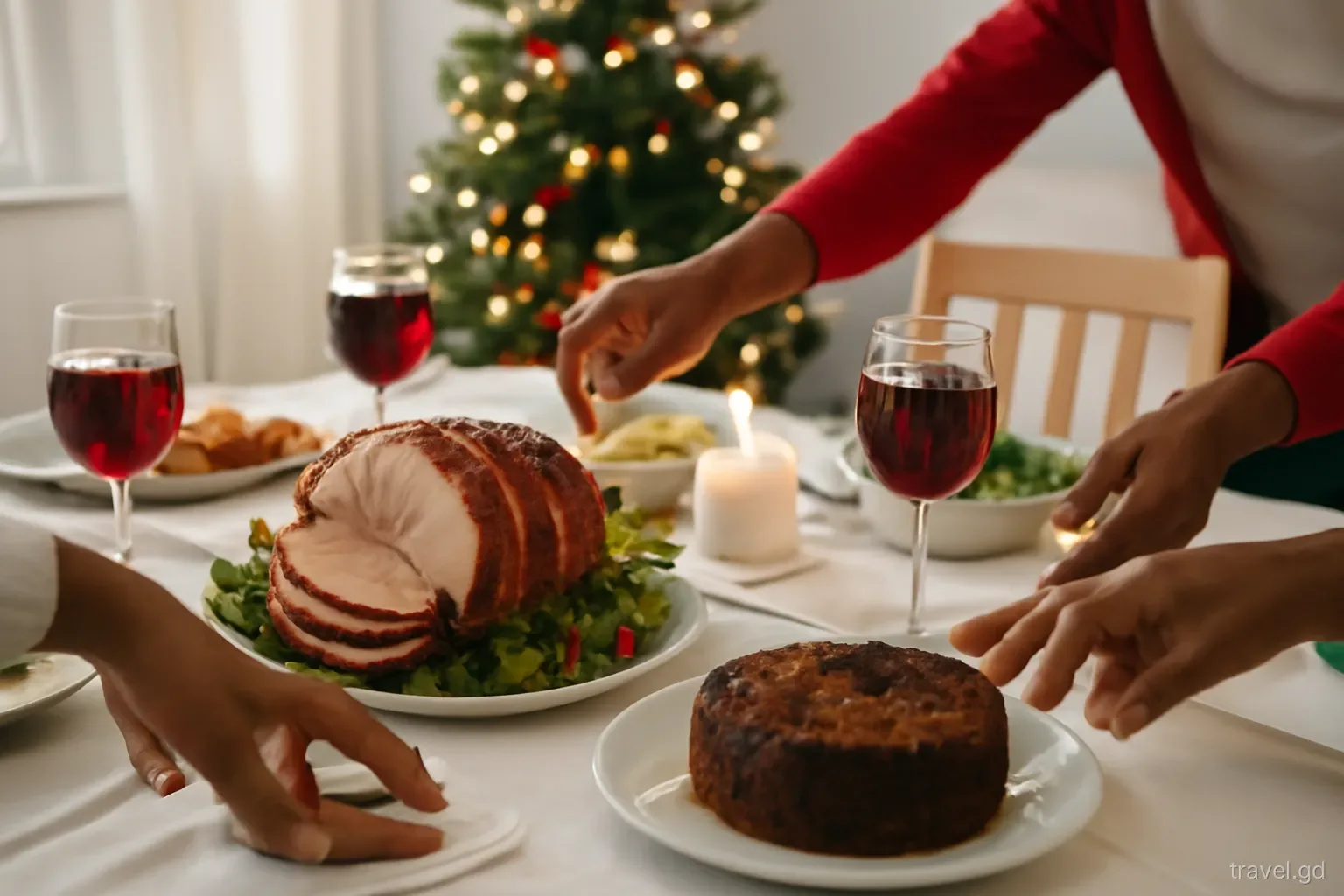
From November, the island prepares for Christmas, the biggest food season of the year. Sorrel, made from the red sepals of a hibiscus plant steeped with spices such as cinnamon, cloves and ginger and sweetened, is the essential Christmas drink, often spiked with rum. Black cake, a dense fruit cake made with dried fruit soaked for weeks in rum and wine, is baked in many homes. Baked ham, ginger beer, homemade breads and plenty of local rum complete the table.
In Carriacou, the Parang festival in December has traditionally brought string bands, singing and food. Christmas season also brings church events, concerts and community gatherings, and visitors who stay over the holidays often find themselves invited to share a meal.
Boxing Day on 26 December continues the feasting, with leftovers, visits to family and friends and beach outings. If you are invited into a home over Christmas, a bottle of rum or wine, or something sweet, is a welcome gift.
The food week: what changes day by day
Friday. Fish and corn soup are traditional on Friday evenings, and roadside stands and some community events, including the Friday fish night in Gouyave when it is running, focus on seafood. Bars and rum shops get busy as the weekend starts.
Saturday. Market day in St George's and other towns, and the classic day for souse and black pudding, sold by vendors and snackettes in the morning. Saturday evenings bring roadside barbecue.
Sunday. The big family lunch, often with callaloo soup, baked chicken, macaroni pie, rice and peas, provisions and salad, followed by a cool drink or homemade ice cream. Many local eateries close, while restaurants serving visitors may offer a Sunday lunch.
Weekdays. Cookshops serve lunch plates to office and shop workers from late morning, with a rotating set of stews, curries and fish dishes. This is when local food is at its most everyday and best value.
Planning around food seasons
A few principles help you make the most of the food calendar.
- Confirm festival dates. Spicemas, the Chocolate Fest and Carriacou events are announced each year, and dates vary.
- Book early for big events. Carnival and Christmas fill accommodation and flights.
- Respect closed seasons. Avoid lobster, turtle and sea eggs when they are out of season or protected.
- Ask what is in season. Market vendors and cooks are the best guide to what is good right now.
- Check opening hours in the quiet season. Some restaurants close for weeks in September and October.
- Join in. Holiday cook-ups and community events often welcome visitors who show interest.
- Pack for the season. Summer festivals mean heat and showers; bring a hat, rain layer and water to outdoor food events.
Frequently asked questions
What is the best time of year to visit Grenada for food?
Each season has its highlights. Late May brings the Chocolate Fest and the start of mango season, August brings Spicemas street food, and December brings Christmas sorrel and black cake. The dry season from January to April is reliable for estate visits.
When is mango season in Grenada?
Mangoes peak in early summer, roughly from late May through July, when markets and roadside stalls overflow with many varieties. Some fruit is available earlier and later depending on the tree, location and weather that year.
What do Grenadians eat at Christmas?
Christmas tables commonly include sorrel, a spiced drink made from hibiscus sepals, black cake soaked in rum, baked ham, ginger beer and local rum. Many families also cook chicken, pork and traditional sides such as macaroni pie and provisions.
What food is sold during Spicemas?
Carnival food is mostly street food: corn soup, barbecue chicken and pork, roti, fish cakes, souse, oil down and plenty of drinks. Stalls cluster along parade routes and around carnival venues in St George's during the main days in August.
When is lobster season in Grenada?
Lobster is available for most of the year, but the fishery closes for part of the year, typically through the summer months, to protect breeding stocks. The fisheries authorities announce the closed season dates each year; check before ordering lobster in summer.