Ask people who know Grenada well when they would go if they could pick any month, and May comes up often. The winter crowds have left, room rates have dropped from their peak, and the dry season has not yet ended. June brings the first regular showers and the official start of hurricane season, but it also brings mangoes, turtle nesting on the north-east coast and one of the island's most joyful community feasts in Gouyave.
The shoulder season is not perfect. The end of the dry season can be dusty and very hot, and June carries a small storm risk. But for travellers who want reliable conditions without peak prices, these two months are hard to beat. This guide explains what May and June are like, what you can do, and the trade-offs to consider before booking.
Weather: the dry season's last stretch
By May the dry season has been running since around January, and the island shows it. Hillsides in the south and on Carriacou can look brown, rivers are low, and the sun is strong. Temperatures climb towards their annual high, with coastal daytime highs around 30–32°C, and the trade winds that make February so comfortable become less steady. Expect sunny days with occasional showers, more likely towards the end of the month.
June usually marks the transition into the wet season. Showers become more frequent, often arriving in the afternoon as short, heavy bursts, and the island begins to turn green again. Most days still have long sunny spells, especially along the south-west coast between Point Salines, Grand Anse and Lance aux Epines. The interior around Grand Etang is wetter throughout.
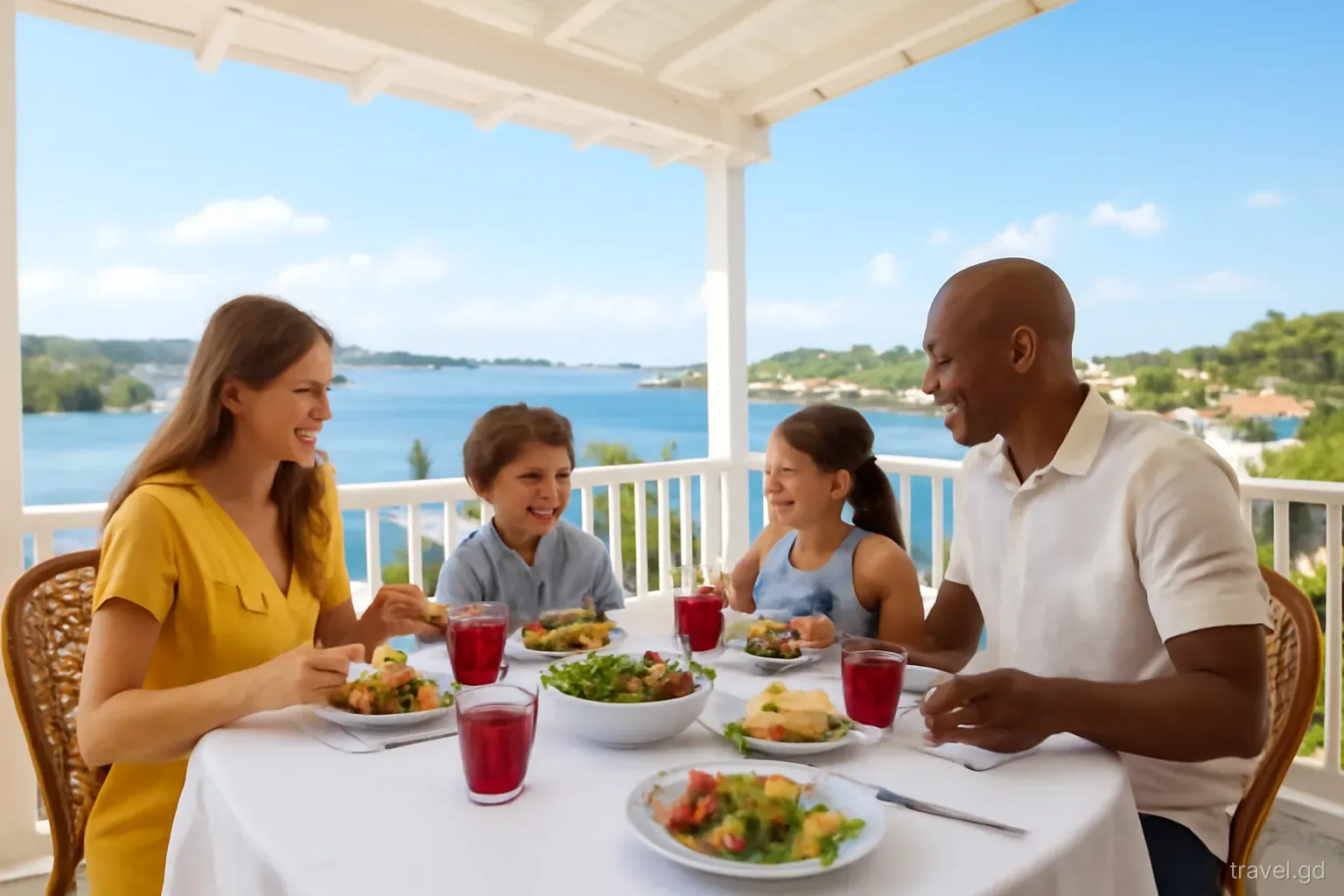
Daylight is long by tropical standards around the June solstice, with sunset somewhere around half past six in the evening, which leaves time for a swim after a day of sightseeing. Humidity rises through June, so a room with air conditioning and a shaded terrace makes a real difference to comfort, and an early start, with outdoor sightseeing done by late morning, is the local rhythm for good reason.
The sea is warm in both months. Saharan dust can haze the sky on some days, and sargassum seaweed can arrive on Atlantic-facing beaches in some years, while the sheltered Caribbean-side beaches are generally less affected.
Five reasons to choose May or June
Prices. After Easter, many hotels and villas switch to shoulder or low-season rates, and the difference from peak can be substantial. Airfares are often lower than in winter too, before summer school holidays begin in North America and Europe.
Space. Cruise calls taper off after the winter season, so Grand Anse, the Carenage and popular sights are much quieter, especially on weekdays.
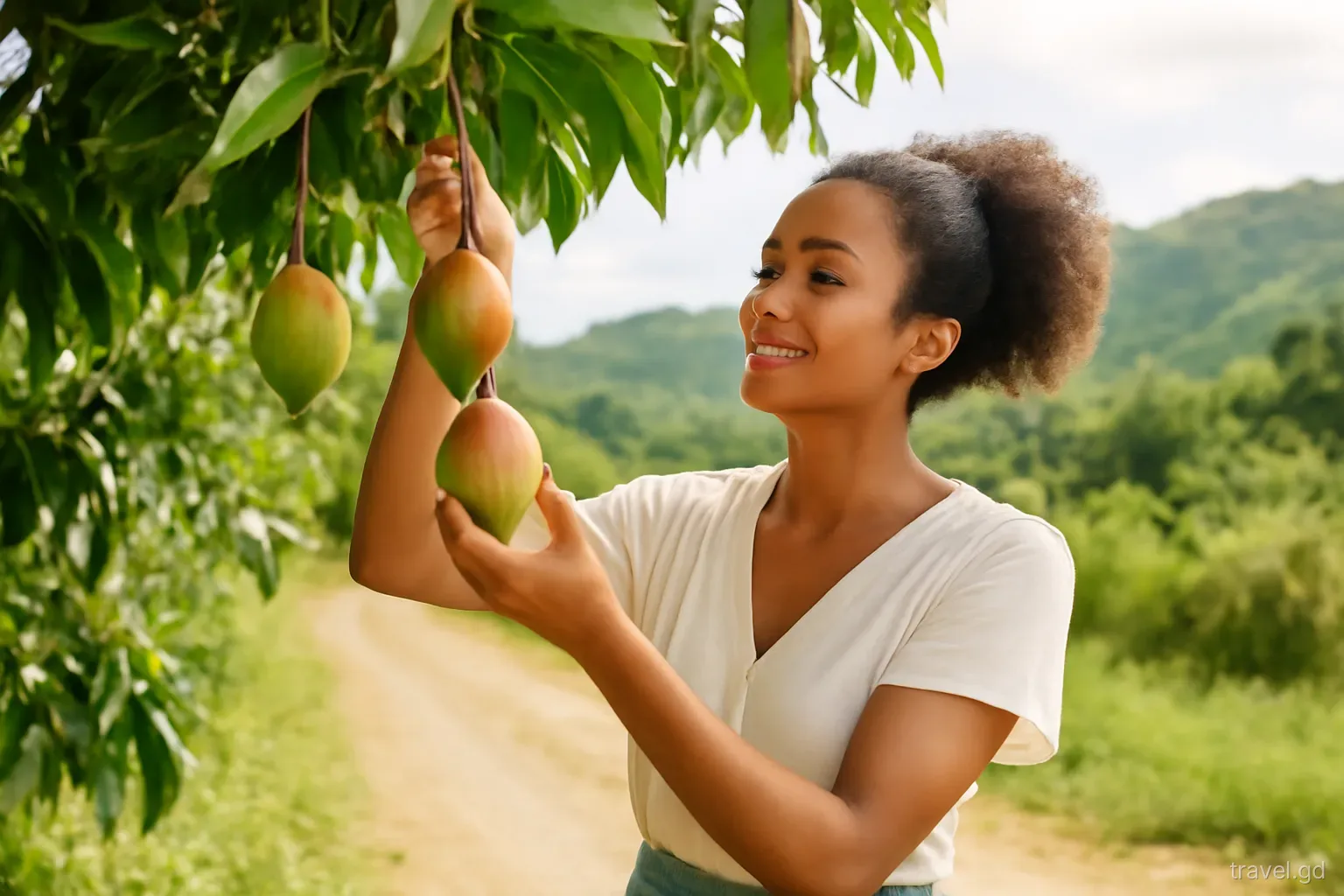
Mango season. Mangoes are abundant from late spring into summer, with many local varieties sold at roadside stalls and in markets. Other fruit such as golden apples and plums come into their own around this time too.
Turtle nesting. Leatherback turtles nest on Levera Beach and other beaches in the north-east roughly from March to August, with peak activity in the middle of that window. Guided night watches have been organised during the season; access to nesting beaches at night is controlled, so go with an authorised group.
Events. The Grenada Chocolate Festival has been held in May in recent years, and Gouyave's Fisherman's Birthday on 29 June is one of the most enjoyable community celebrations of the year.
Fisherman's Birthday and the Chocolate Festival
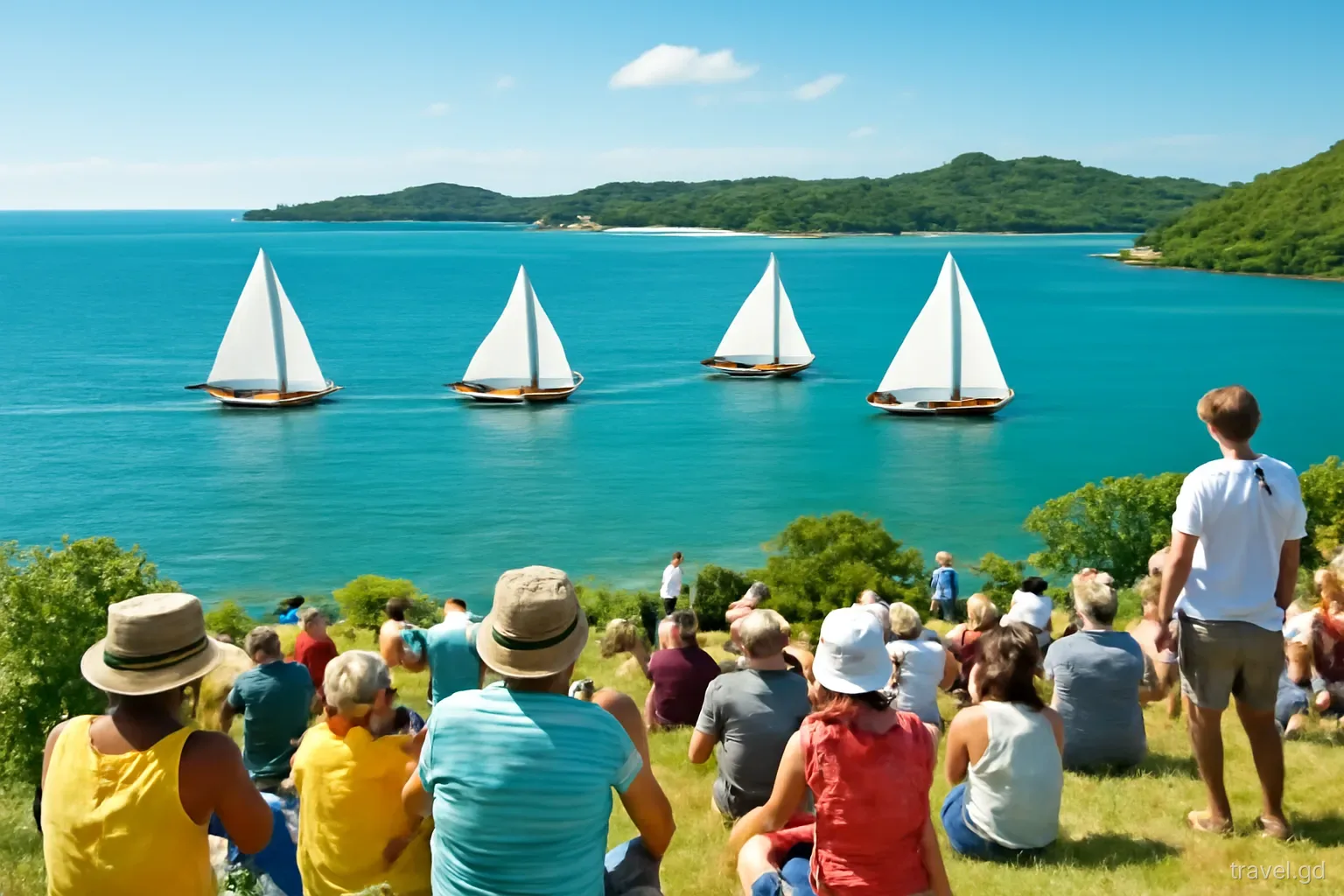
Fisherman's Birthday is the Feast of St Peter, patron of fishermen, celebrated on 29 June. Gouyave, the fishing town on the west coast in St John, is the centre of it. The day typically begins with a church service and the blessing of the boats and nets, followed by boat races and a lively street party with food stalls, music and plenty of fish. Other fishing communities mark the day too. For visitors, it is a rare chance to share a community celebration that is not organised for tourism.
The Grenada Chocolate Festival has brought together cocoa estates, chocolate makers, chefs and visitors for tours, tastings and food events over a week in May. Grenada's chocolate industry is unusual in the Caribbean for making bean-to-bar chocolate on the island, with estates such as Belmont in St Patrick's at the centre of the visitor experience. Programmes and dates vary each year, so check before booking if the festival is the reason for your trip.
Practically, Gouyave is roughly 45 minutes to an hour by road from the south-west coast, and on Fisherman's Birthday the town centre fills up, so arrive early, park on the edge of town and walk in. Bring cash in Eastern Caribbean dollars for food and drinks, a hat for the midday sun and patience for the traffic home.
Trade-offs to weigh before booking
May and June are not right for everyone. Consider these points honestly:
- Heat. These are among the hottest months. Air conditioning and a pool are worth having, and outdoor activity is best in the early morning.
- Dry landscape and water. In May, rivers and waterfalls run low, and water supplies can be tight in some areas, particularly on Carriacou. Use water sparingly.
- Storm risk in June. Hurricane season begins on 1 June. Early-season storms in Grenada are uncommon, but buy travel insurance when you book.
- Some renovations. A few hotels schedule refurbishment work outside peak season; ask whether any is planned during your stay.
- Reduced boat schedules. With fewer visitors, some boat trips need a minimum number of passengers and may be combined or moved. Book early in the stay to leave room for changes.
- Easter crowds. If Easter falls late, the first days of what you expect to be shoulder season may still carry holiday prices and busy beaches.
How to plan a shoulder-season trip
A few steps help you make the most of these months:
- Compare rates for late April, May and June directly with hotels; the switch from peak to shoulder pricing happens on different dates at different properties.
- If turtles are a priority, choose late May or June, and arrange a guided night watch through an authorised group well in advance.
- Check the dates of the Chocolate Festival and plan your stay to include Fisherman's Birthday if you are travelling at the end of June.
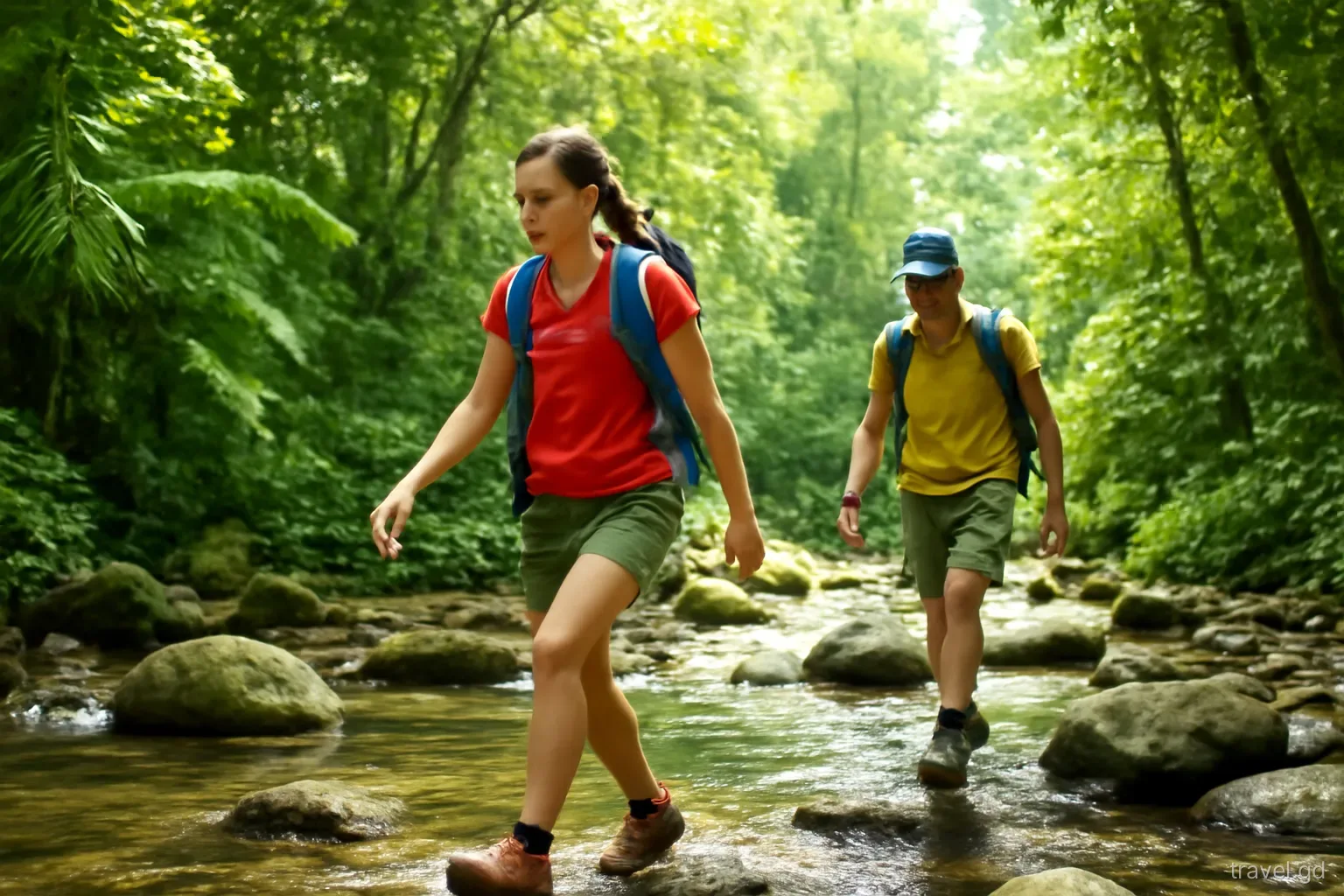
- Plan hikes such as Seven Sisters or Mount Qua Qua for May, when trails are firmer; by late June they can be muddier.
- Buy travel insurance when you book, particularly for June travel.
- Pack light clothing, a hat, reef-safe sun cream and insect repellent, which becomes more useful as the rains return.
A ten-day shoulder-season trip, sketched
Days 1–3: the south-west. Settle in near Grand Anse or Morne Rouge, swim early and late, and spend one morning in St George's at the Carenage, Fort George and the market. Book a snorkel trip to the Underwater Sculpture Park while the sea is calm.
Days 4–5: the interior. On a dry morning, drive up to Grand Etang for the lake and a forest walk, stop at Annandale Falls, and, if trails are firm, hike to Seven Sisters with a guide. May is ideal; in late June, check conditions first.
Days 6–7: the north. Head up the west coast through Gouyave to Sauteurs, visit Belmont Estate for cocoa and lunch, and continue to River Antoine and Lake Antoine. In nesting season, arrange a guided turtle watch at Levera for the evening and stay nearby rather than driving back late.
Day 8: Gouyave. If your dates include 29 June, spend the day at Fisherman's Birthday. Otherwise, time a Friday evening in Gouyave for fish night, if it is running.
Days 9–10: slow down. Beach, spa, a sunset sail or a day trip to Carriacou by ferry, keeping the last night near the airport.
Frequently asked questions
Is May a good month to visit Grenada?
Yes. May usually combines dry, sunny weather with lower prices than winter and far fewer visitors. It is hot, and the landscape can look dry, but the sea is warm and most hotels, restaurants and tours are open. It is one of the best-value months of the year.
Does it rain a lot in Grenada in June?
June is usually the start of the wet season, with more frequent showers than May. Most rain falls in short, heavy bursts, often in the afternoon, with sunshine either side. The interior is much wetter than the south-west coast, where most visitors stay.
When can you see turtles nesting in Grenada?
Leatherback turtles nest on Levera Beach and other north-east beaches roughly from March to August, with the busiest period in the middle of that window. Night visits to nesting beaches are controlled during the season, so join an authorised guided watch.
Is hurricane season a concern in June?
Hurricane season begins on 1 June, but early-season storms rarely affect Grenada. The risk is lower than from August to October, though not zero, as Beryl showed in July 2024. Buy travel insurance when you book and choose flexible reservations where possible.
What happens on Fisherman's Birthday in Grenada?
On 29 June, the Feast of St Peter, Gouyave and other fishing communities hold church services, bless boats and nets, run boat races and host street parties with food and music. Gouyave's celebration is the largest and is welcoming to visitors.