Rain in Grenada rarely behaves like rain in northern Europe or North America. Most of the time it arrives as a heavy shower, drenches everything for twenty minutes, then gives way to sunshine and steaming roads. Even in the wetter months from June to December, few days are wet from dawn to dusk. But some are, especially when a tropical wave or a weather system passes nearby, and those days call for a different plan.
The good news is that many of Grenada's best excursions are not beach-dependent at all. Estates, distilleries, chocolate makers, markets, museums and forts work perfectly well under cloud, and some feel more atmospheric in the rain. This guide explains which tours still work, which to postpone, and how to build flexibility into a trip so a wet day is a change of plan rather than a lost day. Opening arrangements vary, so check before setting off.
How rain behaves on the island
Grenada has a drier season, roughly from January to May, and a wetter season, roughly from June to December, though rain can fall in any month. Showers are driven by the trade winds and by passing tropical waves. The interior mountains catch far more rain than the coasts: it can pour over Grand Etang while Grand Anse stays sunny, and the south-west is generally drier than the east and the north.
That pattern is useful when planning. On a showery day, the coast is often better than the mountains, and the south-west often better than the north-east. Mornings are frequently clearer before clouds build over the interior. Forecasts give a general picture, but local conditions change fast, so a guide's knowledge of where the weather is coming from is valuable. Drivers who have spent years on these roads often read the sky over the mountains better than any app. Persistent heavy rain, on the other hand, affects the whole island and brings specific risks: flooded roads, muddy trails, rising rivers and rough seas. During the hurricane season, keep an eye on official forecasts and alerts from the national meteorological service and disaster management agency.
Tours and visits that work in the rain
Rum distilleries. River Antoine, Clarke's Court and Westerhall can all be visited in wet weather, with much of the action under cover. River Antoine's water wheel is, if anything, more impressive when the river is running.
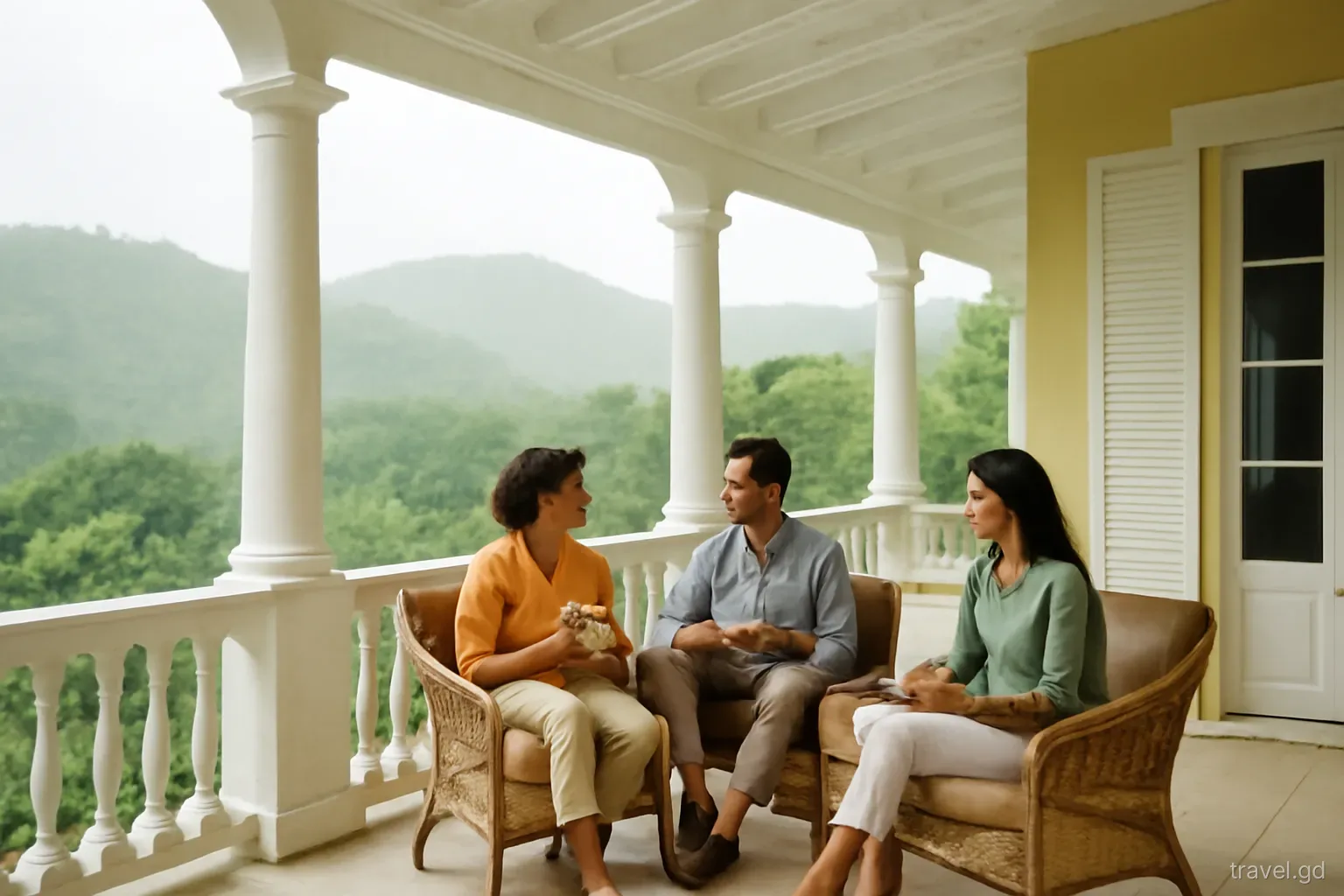
Cocoa estates and chocolate makers. Belmont Estate and local chocolate makers offer covered processing areas, tastings and shops, and an estate lunch on a covered veranda while rain falls on the hills is a pleasure in itself.
The Gouyave nutmeg station. The processing and sorting areas are indoors, and the smell of nutmeg hangs heavy in the damp air. Check whether tours are running.
Museums and heritage. The Grenada National Museum in St George's, housed in an early 18th-century building, covers Amerindian history, colonial periods and the modern nation. It has been closed for long periods since 2020, so check before going. Check opening hours before going.
Markets and shopping. The Market Square in St George's has covered areas, and the spice and craft markets let you browse under shelter.
Cooking and food experiences. Some operators offer cooking classes and food tours based around Grenadian dishes such as oil down, which can be done regardless of the weather.
Tours to postpone after heavy rain
Waterfall hikes. Seven Sisters, the upper Concord falls, Mount Carmel and other waterfall trails become muddy, slippery and potentially dangerous. Rivers rise rapidly and crossings can become impassable. Wait at least a day after heavy rain and take a guide's advice.
Mountain trails. Mount Qua Qua, Mount St Catherine and the longer Grand Etang trails are hard work at the best of times and hazardous when saturated.
River tubing. Operators should cancel when rivers are high; if they do not, think twice.
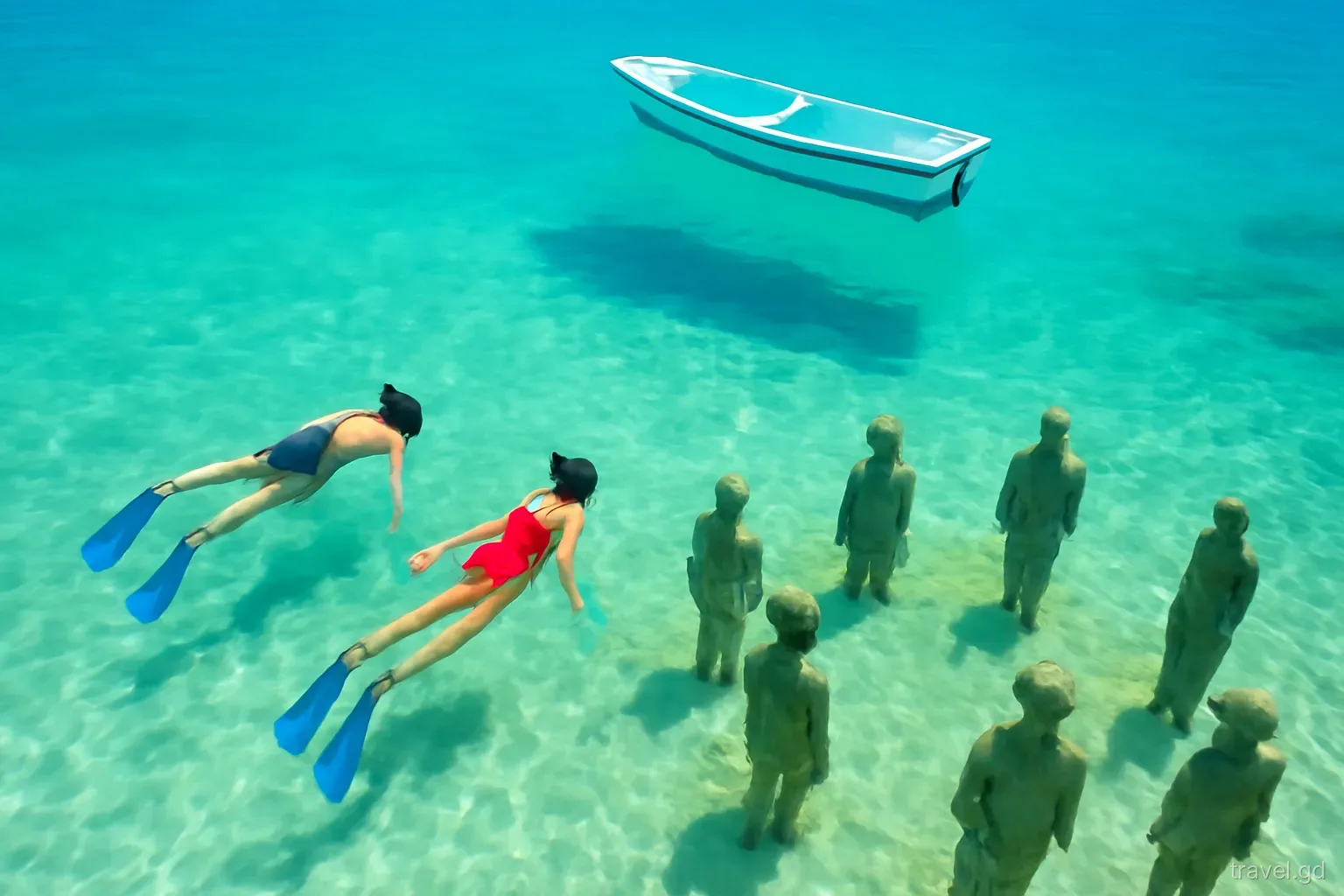
Snorkelling and boat trips. Rain itself is not a problem on a boat, but runoff reduces visibility at the sculpture park and reefs, and rough seas may cancel trips. Ask the operator for an honest assessment.
Beach days on the Atlantic side. Bathway, Levera and other east-coast beaches can be dangerous in rough conditions, and swollen rivers carry debris to the shore.
Long drives in the north. Heavy rain makes narrow mountain roads slower and riskier, especially on the Grand Etang road.
Building a rain-proof itinerary
A flexible plan turns weather into a minor inconvenience:
- Schedule weather-sensitive activities, such as boat trips, snorkelling and waterfall hikes, early in your stay, leaving later days free for rescheduling.
- Keep one or two indoor-friendly excursions, such as an estate or distillery day, in reserve as a plan B.
- Book tours with operators who offer flexible rescheduling or refunds for bad weather.
- Check the forecast each evening and agree a decision time with your guide for the next morning.
- On showery days, head for the coast and the south-west; on clear mornings, prioritise the mountains.
- Pack a light waterproof, quick-drying clothes and a dry bag so a shower does not end your day.
- During the hurricane season, have travel insurance and follow official advice if a storm threatens.
A sample rainy-day plan from Grand Anse
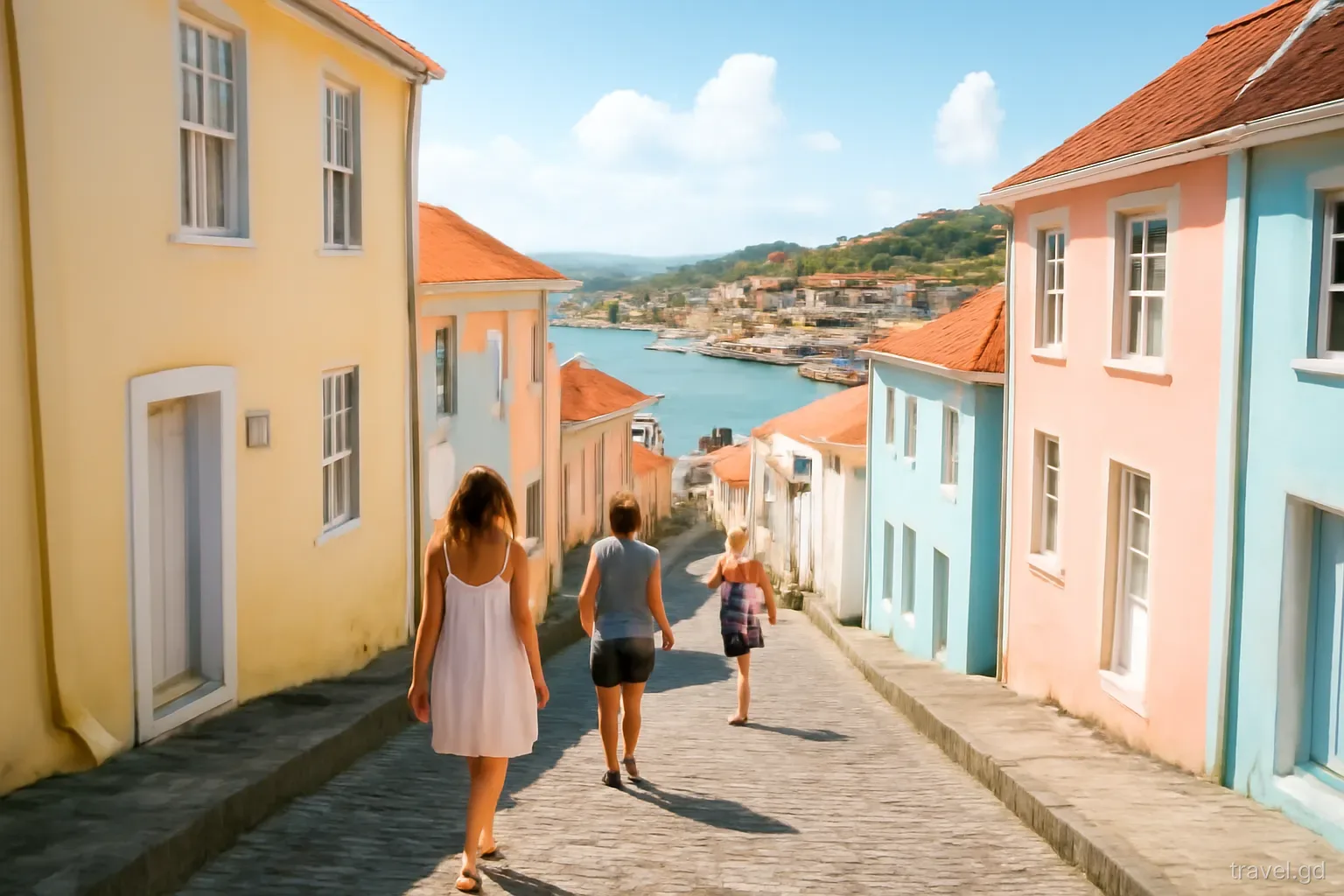
If you wake to a grey, rainy morning, a good plan is to head into St George's for the Market Square, a walk under the arcades and a visit to the National Museum if it is open. Have lunch at a local spot near the market or the Carenage, then take a taxi or drive to Clarke's Court distillery at Woodlands for a tour and tasting in the afternoon. All of these are within a short drive of the south-west hotels, keeping time on wet roads to a minimum.
If the rain eases by midday and you have a driver, an alternative is to drive north to Belmont Estate for lunch, a cocoa tour and a look at the drying trays, adding River Antoine on the way back if time allows. Ask your guide about the state of the roads first. Landslips and fallen branches can close or slow stretches of the mountain roads after prolonged rain, and drivers usually know which routes are clear. For families, an indoor or covered option such as a chocolate workshop, a cooking session or simply a covered terrace with games and a swim between showers can be enough. Warm rain is not unpleasant: many visitors swim through a passing shower at Grand Anse and dry off in the sun twenty minutes later.
Rainy days with children or older travellers
Wet weather is harder with young children, who tire of car journeys quickly, and with older travellers, for whom slippery paths and steps carry more risk. For both groups, keep driving short and choose places with shelter, seating and toilets nearby. A cocoa estate with a restaurant, a distillery tour that is mostly under cover, or a relaxed morning at the market followed by lunch in St George's all fit well. Children often enjoy watching cocoa beans being turned on the drying trays or the old water wheel at River Antoine far more than a long drive to a viewpoint hidden in cloud.
If the rain is light and warm, swimming remains a good option on the sheltered Caribbean side, and a hotel pool is perfectly usable between showers. Lightning is the exception: leave the water and the beach during thunderstorms. For older travellers, take extra care on wet stone steps in St George's and at Annandale Falls, and ask drivers to drop you as close as possible to entrances. A slower day with a long lunch is not a wasted day. Rain also brings out a different Grenada: rivers running full, mist drifting over the ridges and the forest at its most intensely green, which is worth seeing from a covered veranda or a car window.
Frequently asked questions
What is the rainy season in Grenada?
The wetter season generally runs from about June to December, overlapping the Atlantic hurricane season from June to November. Rain usually falls in short, heavy showers rather than all day, though some days are persistently wet. The drier season is roughly January to May.
Is it worth visiting Grenada in the rainy season?
Yes, for many travellers. Most days still have plenty of sunshine, prices are often lower and the island is greener. Plan flexibly, schedule weather-sensitive activities early in your stay and buy travel insurance that covers storm disruption.
What can you do in St George's on a rainy day?
Visit the Market Square, browse spice and craft stalls, explore the National Museum if it is open, walk under the waterfront arcades of the Carenage and enjoy a long lunch. Clarke's Court distillery is a short drive away for an afternoon tour.
Do tours in Grenada run in the rain?
Many do, especially estate, distillery and food tours. Boat trips, river tubing and waterfall hikes may be cancelled or rescheduled when conditions are unsafe. Ask operators about their weather policy when booking.
Are waterfalls safe to visit after rain?
Easy sites such as Annandale Falls are usually fine with care, but trails to Seven Sisters, the upper Concord falls and other remote waterfalls can be dangerous after heavy rain because of mud and fast-rising rivers. Follow local guides' advice and wait for conditions to improve.
Does it rain all day in Grenada?
Rarely. Most rain comes in short, heavy showers followed by sunshine. Persistent all-day rain does happen, usually when a tropical wave or weather system is passing, but it is the exception rather than the rule, even in the wetter months.