Once you have done the island tour, the rainforest and a boat day, Grenada still has plenty left. Some of its most memorable experiences sit slightly off the usual excursion list: watching a leatherback turtle haul herself up a beach at night, floating down a river through the forest, joining a weekly run that ends in a village rum shop, or paddling quiet bays on the south coast at dawn.
These six excursions suit visitors who want something more active, more local or simply different. Several depend on seasons, weather and small local operators, so availability changes from year to year. Treat this as a list of ideas and check current arrangements, seasons and safety practices with operators, your accommodation or the Grenada Tourism Authority before you commit.
1. Leatherback turtle watching at Levera
Levera Beach, at the northern tip of the island in St Patrick, is one of Grenada's most important nesting sites for leatherback turtles, the largest sea turtles in the world. Females come ashore at night during the nesting season, which runs roughly from March to August, to dig nests and lay eggs, with hatchlings emerging in the following weeks and months. Hawksbill and green turtles also nest on Grenada's beaches.
Watching a leatherback nest is an extraordinary experience, but it must be done responsibly. Guided turtle watches have been organised by local conservation groups and licensed guides, with strict rules: no white lights or flash photography, quiet movement, keeping distance and following the guide's instructions. Access to Levera at night during the season is managed, and visiting without a guide is discouraged. Sightings are never guaranteed, nights can be long and you may wait for hours. Book through a recognised group, ask how they handle visitor numbers and turtle welfare, and be prepared to follow their instructions exactly.
2. River tubing in St Andrew
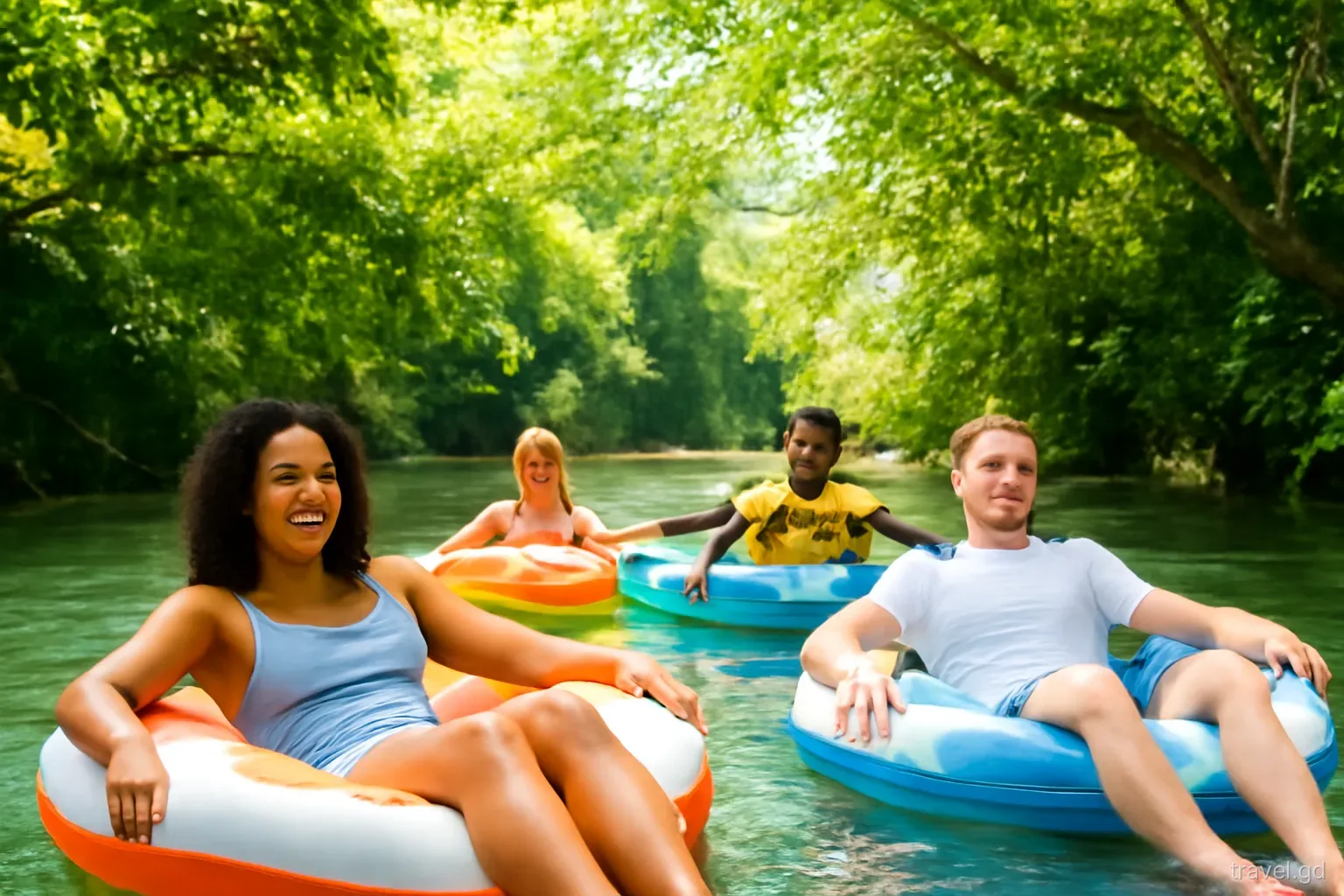
River tubing has become a popular half-day activity, with operators running trips on rivers in St Andrew, notably the Balthazar River area on the island's eastern side. Participants float on inflatable tubes through forest and farmland, bumping over small rapids and drifting through calmer pools, with guides managing the route and helping with tricky sections. It is a sociable, fun activity that shows a side of rural Grenada most visitors never see.
Conditions depend heavily on rainfall. Too little water makes the river slow and rocky; too much makes it fast and potentially dangerous. Reputable operators check levels and will postpone or cancel when unsafe. Wear shoes that can get wet and stay on, swimwear and clothes you do not mind getting muddy, and leave valuables behind. Ask whether helmets and life jackets are provided, and how transport from the south-west hotels is arranged, as the drive across the island adds time.
3. Running or walking with the Hash
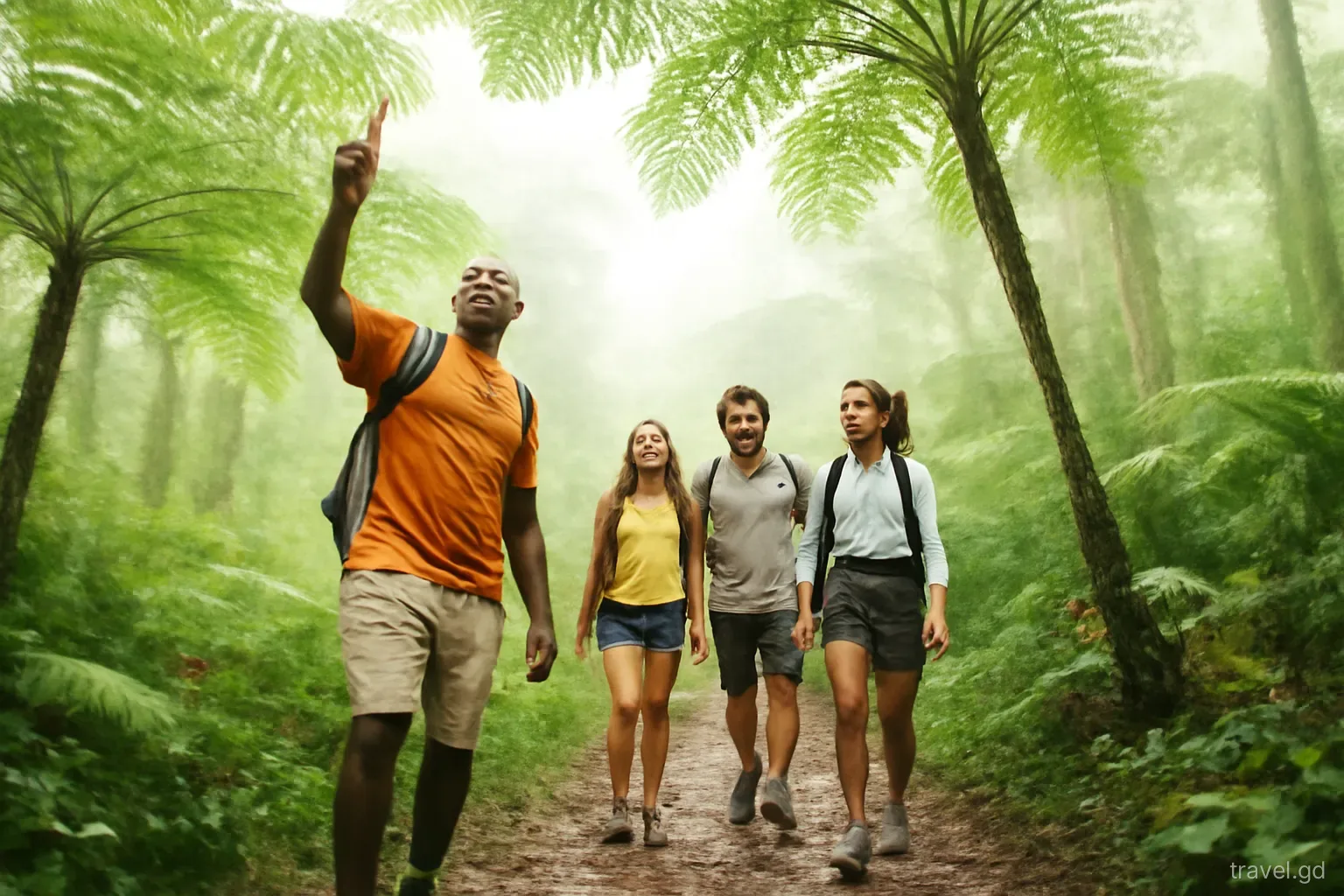
What it is. The Grenada Hash House Harriers is part of the worldwide Hash network, a social running and walking club that sets a trail through the countryside, usually on Saturday afternoons. It is often described as a drinking club with a running problem.
Why visitors love it. Trails go through villages, farms, forests, rivers and hills that tourists rarely see, often ending in a rum shop or community venue with food, drinks and music. It is one of the best ways to meet Grenadians and long-term residents.
Who can join. Visitors are generally welcome. There are routes for walkers and runners, and fitness levels vary widely.
What to expect. Trails can be muddy, steep and slippery, sometimes crossing streams. Wear old trainers, bring water and expect to get dirty.
How to find it. Locations change every week and are announced in advance by the club. Ask at your accommodation or look for the club's current announcements; do not rely on old information.
4. Kayaking and paddleboarding the south-coast bays
Grenada's south coast is a series of deep, sheltered inlets, from L'Anse aux Epines and Prickly Bay round to Woburn Bay, Clarke's Court Bay and beyond. These bays, protected by headlands and reefs, often have calm water ideal for kayaking and stand-up paddleboarding. Paddling past moored yachts, mangroves and small islands such as Hog Island and Calivigny Island gives a quiet, close-up view of a coastline most visitors only see from the road.
Several operators and some hotels rent kayaks and paddleboards or run guided trips. Early morning and late afternoon are usually calmest and coolest. Check the wind forecast, as the trade winds can make the return paddle hard work, and stay within sheltered water unless you are experienced. Wear a life jacket, take water, sunscreen and a hat, and tell someone your planned route. Respect marine protected areas, keep away from mooring lines and boat traffic, and avoid disturbing mangrove habitats.
5. Heritage stops in the north
Leapers Hill, Sauteurs. The cliff where, according to tradition, Kalinago defenders leapt to their deaths in 1651 rather than surrender to the French. A short but powerful stop.
Petroglyphs. Amerindian rock carvings survive at several sites in Grenada, including in the Mount Rich area near Sauteurs, where a carved boulder has been a visitor stop. Access arrangements vary, so check before going.
Lake Antoine. A shallow crater lake near River Antoine, a quiet stop for birdwatching and a look at Grenada's volcanic past.
Levera National Park. Beyond the turtle beach, the park includes a mangrove-fringed pond and views of the offshore islands. Birdwatchers find herons, egrets and waders.
Bathway Beach. A long beach where a reef creates a sheltered strip for paddling near shore. Swim only where calm and check conditions, as the Atlantic beyond the reef can be dangerous.
6. An evening out: Fish Friday in Gouyave
Fish Friday in Gouyave, the fishing town on the west coast in St John, turns the town's streets into an open-air food festival every Friday evening. Vendors grill, fry and stew fish, lobster in season, conch and other seafood, with music, drinks and a lively crowd of locals and visitors. As an excursion it combines dinner, culture and a drive along the west coast at dusk.
Most visitors go by taxi or with a driver, since the drive back to the south-west takes around 45 minutes on winding roads and nobody wants to drive after rum. Some tour operators and hotels arrange group trips. Bring EC cash, an appetite and patience for queues at popular stalls. The event usually gets going in the early evening and runs late. It is family-friendly and safe, but keep an eye on belongings in the crowd. Combining it with an afternoon visit to the nutmeg station or a west coast beach makes a satisfying half-day.
Choosing and combining these excursions
By season. Turtle watching only makes sense in the nesting season, roughly March to August. River tubing depends on rainfall and may be off after very dry or very wet spells. Kayaking, the Hash, the heritage stops and Fish Friday work year-round, weather permitting.
By energy level. The Hash and river tubing are the most physical, followed by kayaking. Heritage stops and Fish Friday need little more than a willingness to walk a little and eat well. A turtle watch is not strenuous but can mean hours awake late at night on a dark beach.
By geography. Levera, Bathway, Lake Antoine, the petroglyphs and Leapers Hill all sit in the north-east and fit naturally into one day, with a turtle watch possible in the evening during the season if you book in advance. Tubing in St Andrew can be combined with Grenville or the east coast. Kayaking and Fish Friday are easy from the south-west hotels.
By budget. The Hash usually costs little beyond a small contribution and transport. Tubing, guided kayaking and turtle watches carry fees, and transport to the north adds to the cost, so check whether pick-ups are included.
Frequently asked questions
When is turtle nesting season in Grenada?
Leatherback turtles nest on Grenada's beaches, especially Levera, roughly from March to August, with hatchlings emerging into the late summer and early autumn. Nesting is at night and sightings are never guaranteed. Guided watches with recognised conservation groups or licensed guides are the responsible way to visit.
Is river tubing in Grenada safe?
With a reputable operator in suitable conditions, it is generally safe and fun. River levels change quickly after rain, so operators should monitor conditions and cancel when unsafe. Ask about safety equipment, guide numbers and transport, and follow instructions throughout the trip.
Can visitors join the Grenada Hash?
Yes, visitors are generally welcome at Grenada Hash House Harriers events, which take walkers and runners on trails through the countryside, usually on Saturday afternoons. Locations change weekly, so check current announcements. Expect mud, hills and a sociable finish with food and drinks.
Where can you kayak in Grenada?
The sheltered bays of the south coast, such as Woburn Bay, Clarke's Court Bay and the area around L'Anse aux Epines, are popular for kayaking and paddleboarding. Calm conditions are most common early and late in the day. Some hotels and operators rent equipment or run guided trips.
Is Fish Friday in Gouyave worth visiting?
For many visitors it is a highlight: fresh seafood, music and a lively local atmosphere every Friday evening. Go by taxi or with a driver, take EC cash and arrive in the early evening for the best choice before popular stalls sell out.
What are unusual things to do in Grenada?
Beyond beaches and island tours, visitors can watch leatherback turtles nest at Levera, float down a river on a tube, join the weekly Hash run, kayak quiet south-coast bays, explore petroglyph sites and spend a Friday evening at Fish Friday in Gouyave.