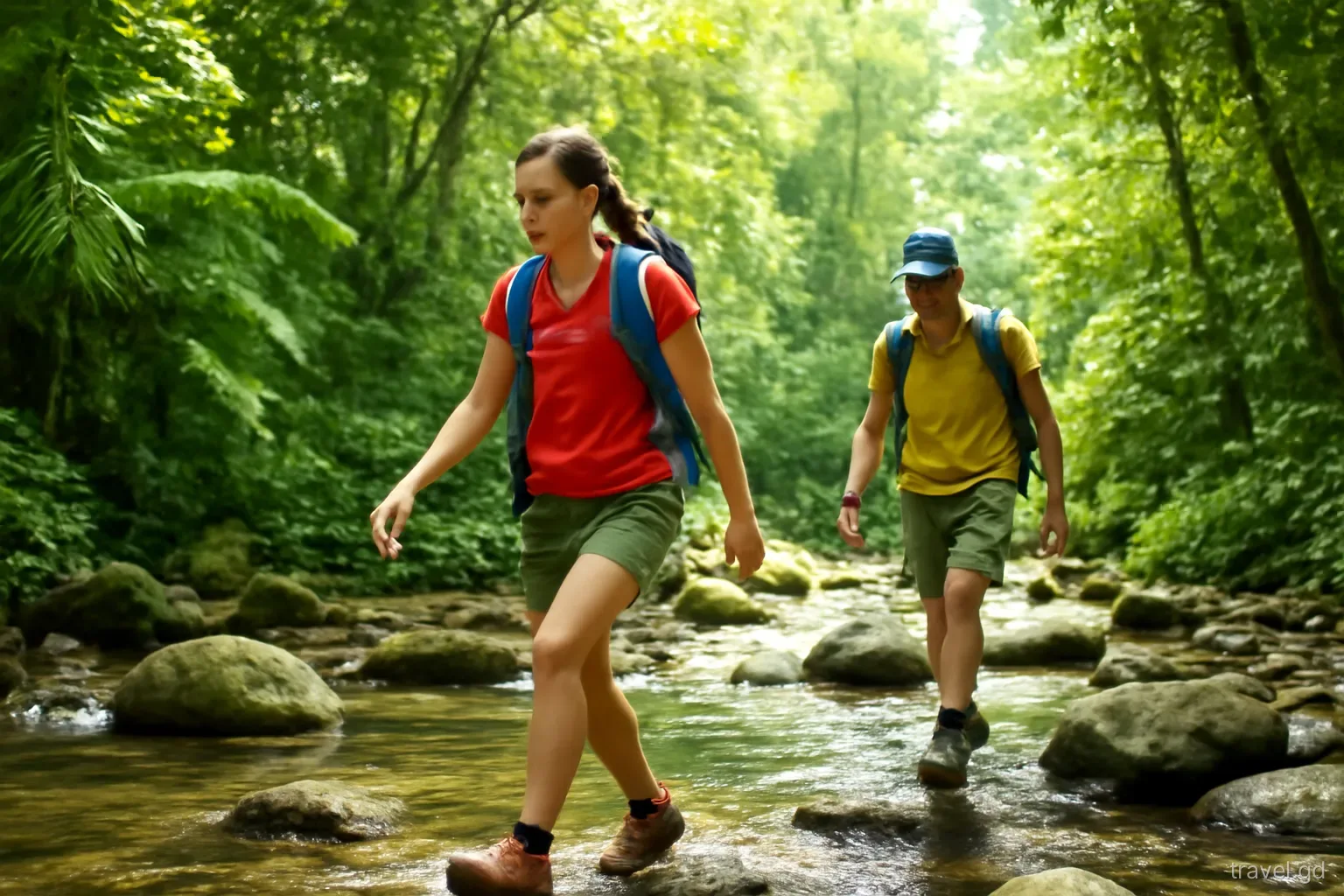
The best month to visit Grenada depends on what you plan to do once you arrive. A hiker heading for Mount St Catherine wants firm, dry trails and low rivers; a diver wants calm seas and good visibility; a turtle enthusiast needs to be on the north-east coast at night during the nesting season; a sailor watches the trade winds and the hurricane calendar. These do not all line up in the same months.
This guide takes each major activity in turn and gives a clear recommendation for when to go, with the reasons and the trade-offs. Seasons are tendencies, not guarantees, and conditions can change from day to day, so use it to choose your window, then rely on local guides and operators for decisions on the day.
Hiking and waterfalls: January to May
For serious walking, the dry season from roughly January to May is the clear choice. Trails in the Grand Etang Forest Reserve, the ridge walk to Mount Qua Qua, the river route to Seven Sisters Falls and the climb up Mount St Catherine, Grenada's highest peak at around 840 metres, are firmer and less slippery, and river crossings are lower and safer. Views from the ridges are clearer on dry, breezy days.
The interior is much wetter than the coast at any time of year, so even in March expect mud in places and a chance of rain at Grand Etang while Grand Anse stays sunny. Start early, carry water and a light rain layer, and hire a guide for the longer or less obvious routes, which are poorly marked and can be confusing after storm damage or landslips.
Waterfalls behave differently. Annandale, the lower falls at Concord and Mount Carmel Falls are fullest in the wet season, roughly August to November, but approach paths are muddier then and rivers can rise quickly after rain in the hills. In the dry season the falls are smaller but clearer and safer for swimming.
Diving and snorkelling: good all year, best when it is calm
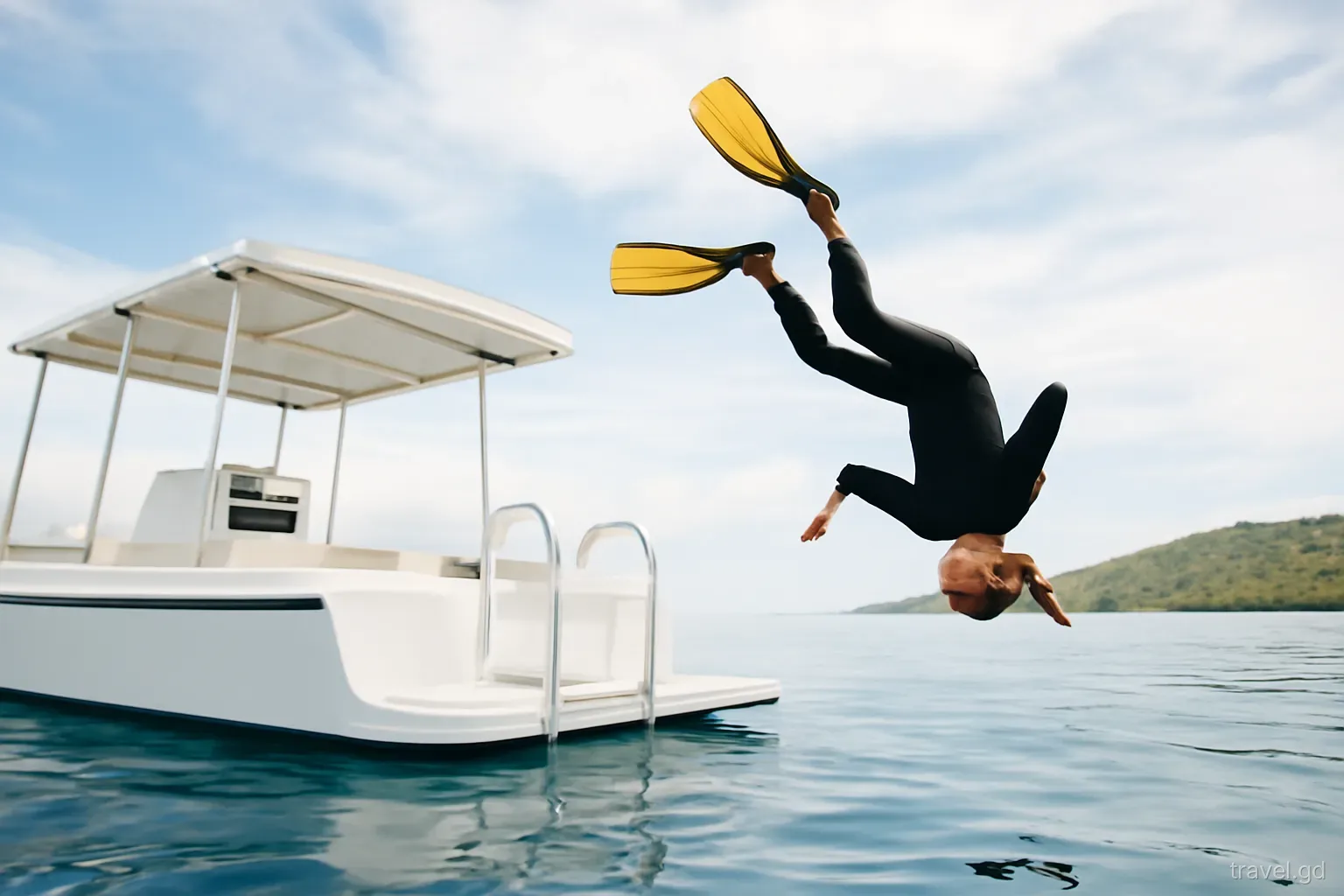
Year-round diving. Grenada is a year-round dive destination. Water temperatures stay warm, roughly in the mid to high 20s Celsius, and the main dive sites off the south-west coast, from reefs to wrecks such as the Bianca C, are diveable in most conditions.
Calmest periods. When the trade winds ease, often from around May to October, the Caribbean side can be very calm, with good visibility for the reefs and the Underwater Sculpture Park in Moliniere Bay. This overlaps with hurricane season, so build in spare days.
Winter conditions. From December to April, steadier winds can bring more surface chop and stronger currents on some sites, but the dry weather means less run-off from rivers, which helps visibility near shore.
After heavy rain. Run-off can cloud the water near river mouths and bays for a day or two, at any time of year.
Carriacou. Sites around Carriacou and Sandy Island have their own patterns and operators; check what is running since Hurricane Beryl.
Turtle watching: March to August
Leatherbacks. Leatherback turtles nest on Levera Beach in St Patrick's and other north-east beaches roughly from March to August, with activity building through April and peaking around May and June.
Hatchlings. Hatchlings emerge about two months after nesting, so from late spring into early autumn.
Hawksbills and others. Hawksbill turtles also nest on some Grenada and Carriacou beaches during a broadly similar season, and green and hawksbill turtles are often seen while snorkelling and diving all year.
How to watch. Access to key nesting beaches at night is controlled during the season. Join an authorised guided watch, follow the guide's instructions on light and distance, and never use a torch or flash near a nesting turtle.
Planning the night. Levera is at the far north-east tip of the island, well over an hour's drive from the south-west on winding roads. Nesting happens late, and a watch can mean hours of waiting with no guarantee of a sighting, so consider staying in the north for that night.
Months to avoid for each activity
Every activity has a weak spot in the calendar. Serious hiking is least pleasant from August to November, when trails are slippery, rivers rise suddenly after rain in the hills and landslips can block paths; save mountain routes for the dry season and stick to short, well-used trails then. Turtle watching outside roughly March to August is pointless for nesting, though turtles are still seen underwater.
Sailing charters and island-hopping are the riskiest from mid-August to mid-October, the peak of the hurricane season, when insurers and charter companies impose restrictions and passages can be cancelled at short notice. Diving rarely has a bad month, but the windiest weeks of January to March can rule out some exposed sites, and the days after heavy rain bring murky water close to shore.
Beach holidays have no truly bad month on the south-west coast, but the combination of heat, humidity and storm risk makes September and October the least predictable.
Sailing and boat trips: December to May for steady wind
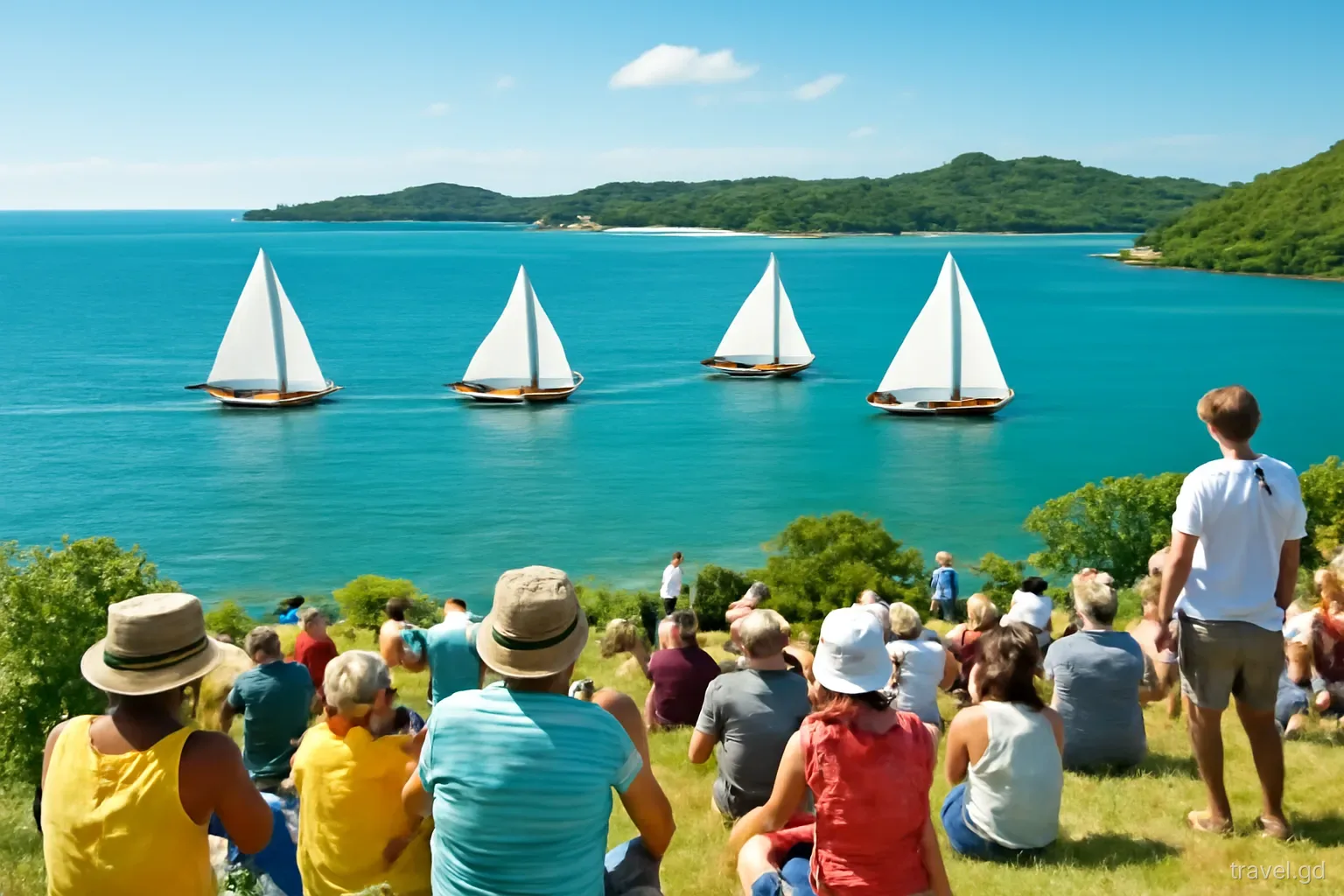
For chartering and island-hopping by yacht, the classic season runs from December to May, when the trade winds blow steadily from the east and the risk of tropical storms is low. Sailing south from the Grenadines to Carriacou and the main island is particularly pleasant then, and events such as Grenada Sailing Week in late January or early February add atmosphere. Winds can be fresh in January to March, which experienced sailors enjoy and novices may find lively.
From June to November, many cruising yachts base themselves in Grenada's marinas and bays, since the island sits at the southern edge of the hurricane belt. Day sails, catamaran trips and sunset cruises run through the summer, often on calm, glassy water, but operators watch forecasts closely and cancel when weather systems approach. The Carriacou Regatta in early August is the main summer sailing event.
Beaches, birdwatching and food: quick calls
A few other interests have their own best seasons:
- Beach days. The south-west beaches, including Grand Anse, Morne Rouge and Magazine Beach, are good all year. For the most reliable sunshine choose February to April; for calm, warm water and empty sand, May to July.
- Atlantic beaches. Bathway, Levera and La Sagesse are better on calmer days; they can be rough when the trades are strong and may collect sargassum seaweed in some years.
- Birdwatching. Resident species, including hummingbirds and forest birds at Grand Etang, can be seen all year. Migratory shorebirds pass through in the northern autumn and winter.
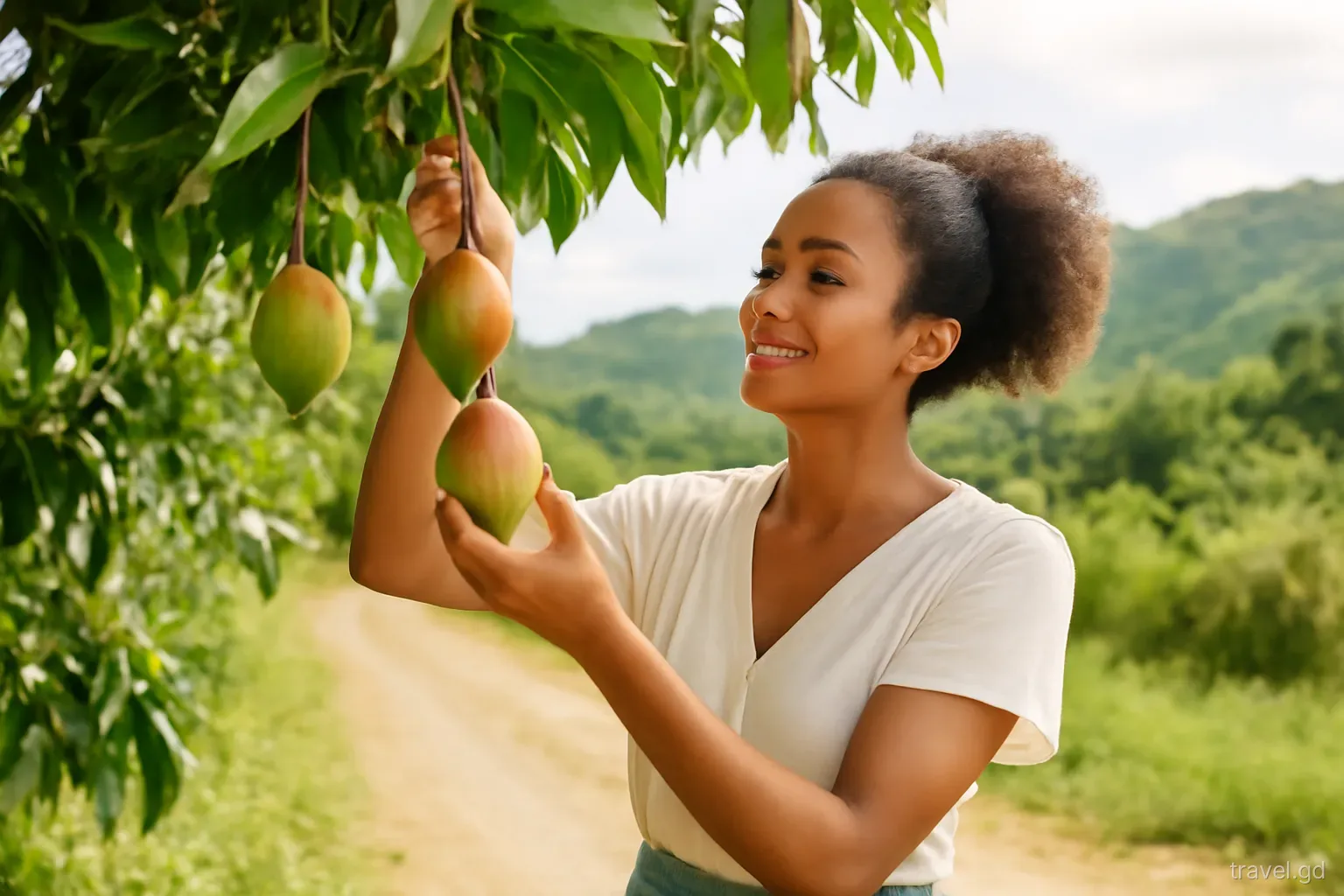
- Food and spices. Nutmeg and cocoa processing continue through the year, but fresh fruit varies by season: mangoes are abundant from late spring into summer, and sorrel appears around Christmas.
- Photography. Dry-season light is clearest; wet-season skies bring dramatic clouds and greener landscapes, with occasional Saharan dust haze in summer.
Putting it together: one trip, several interests
Most visitors want a mix, and a few overlaps make the decision easier. February to April suits hikers, sailors and beach-goers, with reliable weather and steady wind, at peak prices. May and June are a strong compromise for hikers, divers and turtle watchers, with lower rates and nesting at its busiest. July to October favours divers and anyone after calm seas and value, at the cost of more rain and storm risk. November and early December offer a green, quiet island for gentle walking and diving before the high season begins.
Whatever you choose, give yourself flexibility. Put the activity that matters most early in the trip so there is room to reschedule if the weather turns, and rely on local operators, who know which sites and trails are workable on any given day. A quick conversation with a guide or dive shop the evening before is often more useful than any long-range forecast.
Frequently asked questions
What is the best time of year for hiking in Grenada?
January to May, during the dry season, when trails in the Grand Etang Forest Reserve, Mount Qua Qua and Mount St Catherine are firmer and rivers are lower. The interior is still wet at times, so carry rain gear and hire a guide for longer routes.
When is the best time to dive in Grenada?
Grenada can be dived all year. The calmest seas and clearest water on the Caribbean side often come between May and October when the winds ease, though this overlaps with hurricane season. December to April has steadier winds but drier weather.
When do turtles nest on Levera Beach?
Leatherback turtles nest roughly from March to August, with the busiest period around May and June. Hatchlings emerge from late spring into early autumn. Nesting beaches are protected at night during the season, so visit with an authorised guided turtle watch.
When is sailing season in Grenada?
The main sailing season runs from December to May, with steady trade winds and low storm risk. Many yachts stay in Grenada during the summer hurricane season, and day sails continue all year, subject to weather.
When are Grenada's waterfalls at their best?
Waterfalls such as Annandale, Concord and Mount Carmel are fullest during the wet season, roughly August to November, but paths are muddier and rivers can rise quickly. In the dry season the falls are smaller but safer for swimming.