Every beach in Grenada is public. A luxury hotel may own the land behind the sand, but it cannot stop anyone from walking along the shore or swimming in front of it. That shared ownership shapes the etiquette: on any beach you are a guest among fishermen, local families, vendors and other visitors, and the coast is also a workplace, a nursery for turtles and fish, and a weekend gathering place.
The rules below are mostly unwritten. A few are laws or marine park regulations. Together they cover how to behave on busy beaches, how to share the water with fishing boats, how to snorkel and dive without damaging reefs, how to watch nesting turtles responsibly and which souvenirs not to take home.
Sharing the sand: public beaches and local life
Grand Anse, the island's best-known beach, runs for about three kilometres along the south-west coast, past hotels, a craft and spice market, small bars and open stretches where local families gather. On weekends and public holidays, especially Sundays and the Easter, Emancipation and Independence holidays, Grenadians come to the beach in numbers, with coolers, music and cricket bats. This is the beach working as intended, not an intrusion.
Give space when setting up. Spread out a respectful distance from other groups. Hotel loungers in front of resorts are usually reserved for guests, so bring your own towel or ask about rental. Play music quietly or with headphones; locals may play theirs loudly, and that is their right, but adding a competing speaker is not a good idea.
Take everything you bring back with you. Bins are not available everywhere, and litter on beaches is a problem after busy weekends. Glass breaks easily in sand and is a hazard for barefoot children. Do not light fires except where it is clearly the custom and safe. Dogs are often present on beaches; avoid feeding strays, and keep children from approaching unfamiliar animals.
Vendors, fishermen and boats
Beach vendors. Licensed vendors sell spices, jewellery, coconuts, aloe and boat trips at Grand Anse and other busy beaches. A smile and a clear "no thank you" ends most approaches. If you are interested, ask the price before accepting anything into your hands.
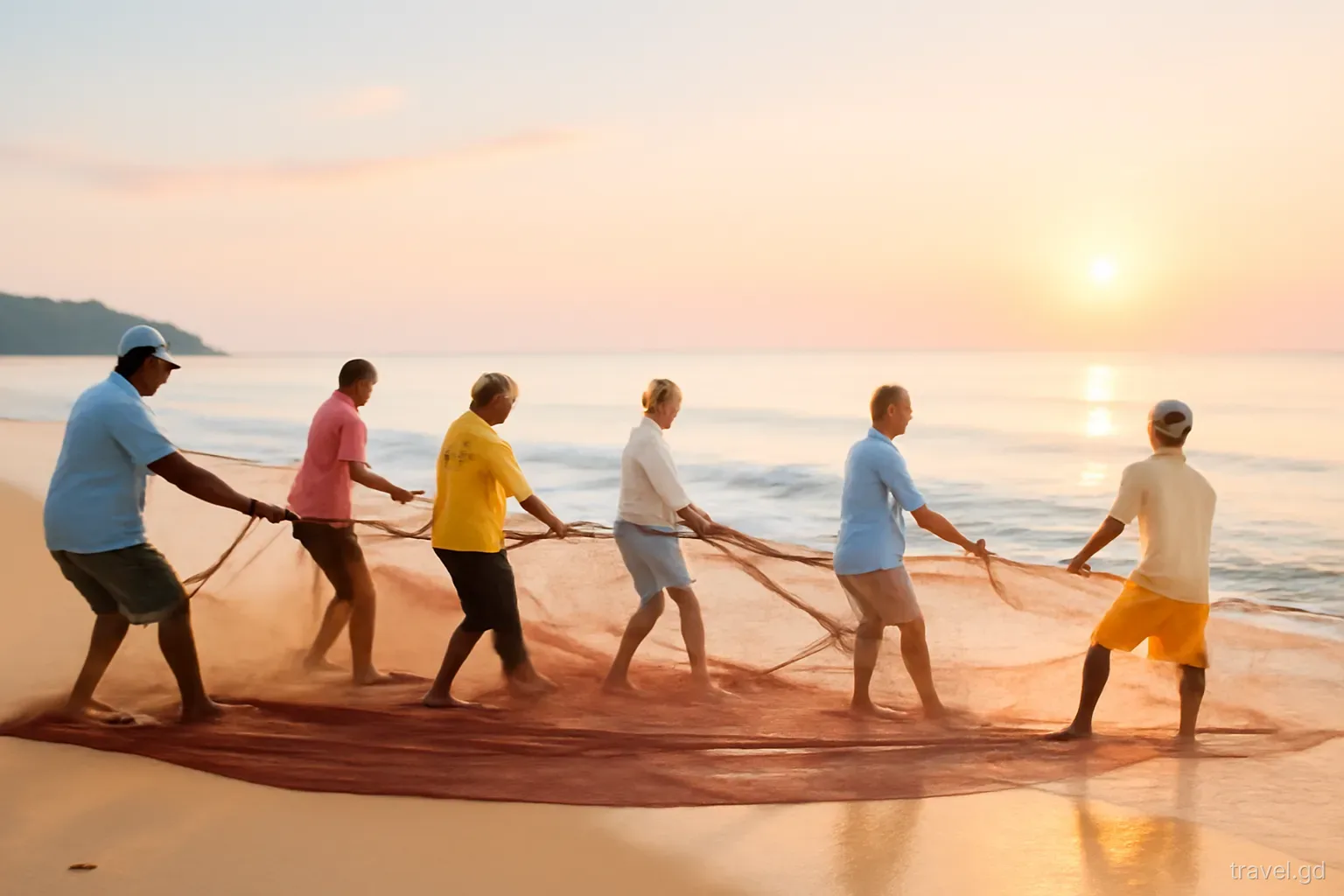
Seine nets. Fishermen still pull seine nets onto some beaches, including Grand Anse, working as a team to haul the catch ashore. Do not swim inside a net area or across ropes. Watching is welcome; if fishermen invite you to help pull, it can be a memorable experience.
Fishing boats and water taxis. Boats land and leave from beaches, especially in fishing villages like Gouyave, Victoria and Grenville, and water taxis run along the south-west coast. Swim within marked areas where they exist, stay visible, and keep clear of boat lanes and moorings.
Jet skis and speedboats. Some beaches have personal watercraft operating close to swimmers. Swimmers should stay near the shore and watch for boats; anyone renting a jet ski must stay well away from swimmers and snorkellers.
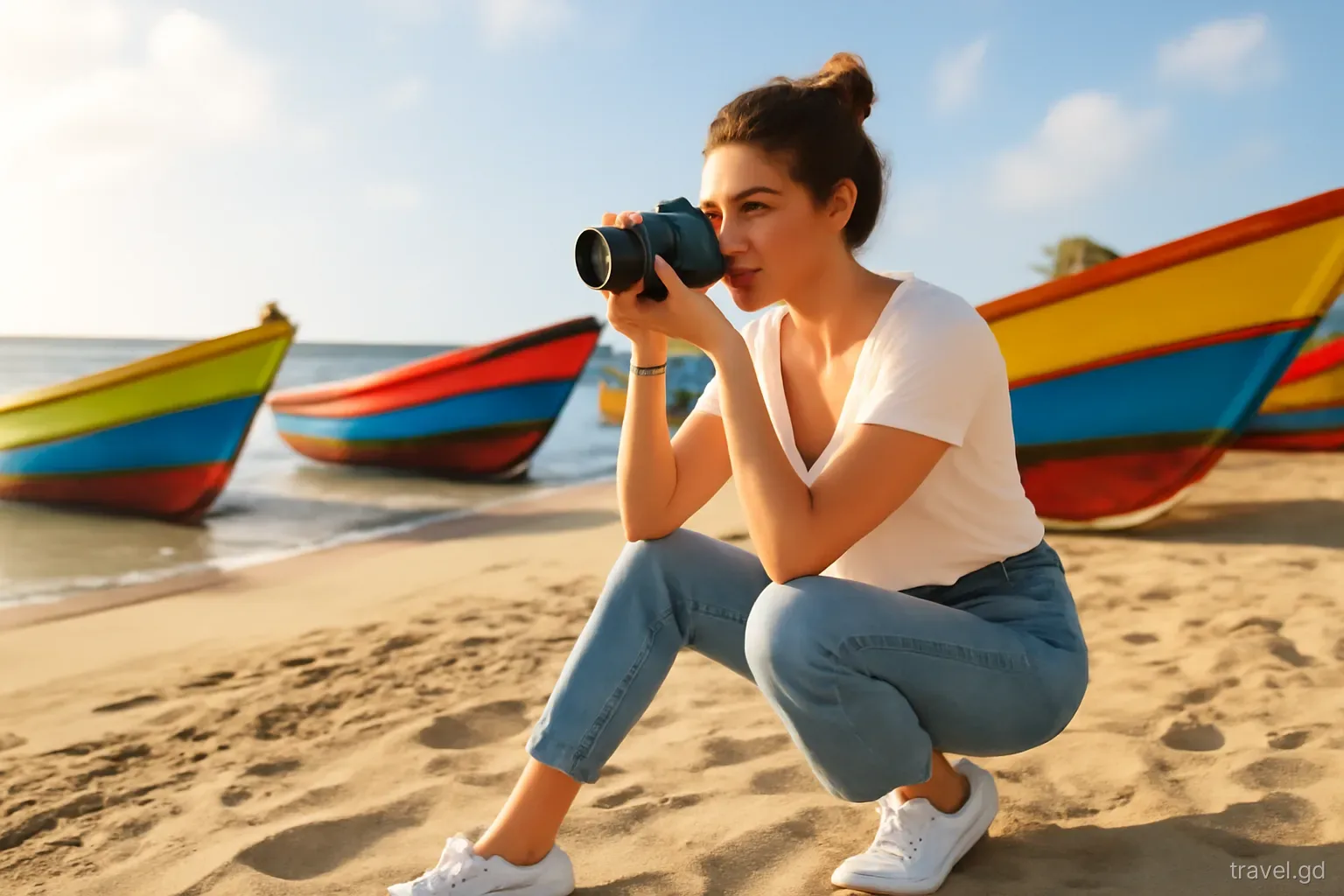
Respect workspaces. Nets drying on the sand, boats pulled up on the beach and fish being cleaned are someone's livelihood. Do not climb on boats or move equipment.
Reefs and marine protected areas
Grenada's reefs are under pressure from warming seas, storms, runoff and visitor damage. Several areas are designated marine protected areas, among them Molinere-Beausejour, which includes the Underwater Sculpture Park, and Sandy Island/Oyster Bed on Carriacou. Fees apply in these areas, usually collected by tour and dive operators. When snorkelling or diving:
- Never touch, stand on or kick coral. Even a light touch damages living polyps, and broken coral takes years to recover.
- Practise floating before you snorkel over shallow reefs; a flotation vest helps less confident swimmers stay off the bottom.
- Do not feed fish or chase, touch or ride turtles, rays or other marine life.
- Choose mineral sunscreen often sold as reef-friendly, or reduce the need for it with a rash vest and hat.
- Do not collect live shells, coral, sea fans or starfish. Removing marine life from protected areas is prohibited.
- Anchor only on sand or use moorings if you are on a private boat or charter; anchoring on reefs causes major damage. Marine park rules for yachts are set by the authorities and are worth checking before arrival.
Watching nesting turtles the right way
Leatherback turtles, the largest living turtles, nest on beaches in north-east Grenada, notably Levera in St Patrick's, and smaller numbers nest elsewhere, including on Carriacou. Hawksbill and green turtles also nest on the islands. The main leatherback nesting season runs roughly from spring into summer, with hatchlings emerging later in the year.
Turtle watching should be done with an organised, guided group run by a recognised local conservation organisation, rather than independently. Guides know where to stand, when it is safe to approach and how to avoid disturbing a nesting female. Groups are kept small and led by trained staff.
The rules on the beach at night are strict for good reason. Do not use white torches or camera flash, which disorient turtles and hatchlings; guides use red light. Stay behind the turtle, never in front of her, keep quiet, and do not touch her or the eggs. Do not drive vehicles on nesting beaches or leave holes and sandcastles that trap hatchlings. Turtles and their eggs are protected, and buying turtle meat, eggs or shell products is both harmful and potentially illegal.
Offshore islands, sandbars and Carriacou
Small offshore islands and sandbars, such as Hog Island off the south coast, Sandy Island off Carriacou and the cays around Petite Martinique, feel remote but are shared spaces too. Many are reached by water taxi or day-sail, sometimes with no facilities at all. Take water, shade and a bag for rubbish, and agree a firm pick-up time with your boatman before you are dropped off. Pay the return fare at the end, not in advance, unless the operator is well known to your accommodation.
Sandy Island lies within the Sandy Island/Oyster Bed Marine Protected Area, which also covers mangrove and seagrass habitats around Carriacou. Mangroves are nurseries for fish and protect the coast in storms; do not cut, break or trample them, and keep boats slow near the edges.
Hurricane Beryl struck Carriacou and Petite Martinique in July 2024, damaging homes, boats, vegetation and parts of the coastline. Recovery has been under way since, and conditions on particular beaches and at particular businesses may have changed. Check before you go, travel with patience, and remember that spending money with local guides, boatmen and guesthouses is one of the most direct ways visitors support the islands' recovery.
What not to take home, and other common mistakes
Coral and turtle shell. Souvenirs made from black coral, other corals or turtle shell are restricted under international wildlife trade rules, and many countries will confiscate them on arrival. Do not buy them.
Live shells and sand. Taking live shells, starfish and quantities of sand damages beaches and may break local or home-country rules. Photographs are a better souvenir.
Feeding monkeys. The Mona monkeys around Grand Etang are wild. Feeding them with snacks harms their health and makes them aggressive. Some roadside handlers offer photos with monkeys for a fee; consider whether you want to encourage that.
Swimming where currents are strong. The Atlantic-facing east coast, including parts of Bathway, Levera and La Sagesse, can have rough surf and currents. Read local conditions and swim only where it is safe.
Leaving valuables unattended. Petty theft from beaches does happen. Do not leave bags, phones or car keys on the sand while everyone swims.
Nudity. Public nudity is an offence in Grenada, and topless sunbathing is not part of local beach culture. Keep swimwear on, even on quieter beaches.
Frequently asked questions
Are all beaches in Grenada public?
Yes. All beaches in Grenada are public, and anyone may walk along the shore and swim, including in front of hotels. Access paths from the road may cross private land, and hotel loungers and facilities are usually reserved for guests, but the sand itself is open to everyone.
When can you see turtles nesting in Grenada?
Leatherback nesting on the north-east coast, especially at Levera, generally runs from spring into summer, with hatchlings later in the season. Join an organised turtle watch with a local conservation group, and confirm dates and arrangements locally because they can vary year to year.
Do you have to pay to snorkel at the Underwater Sculpture Park?
The park lies inside the Molinere-Beausejour Marine Protected Area, where a user fee applies. It is usually included in or added to the price of a snorkelling or diving tour. Confirm with your operator whether the fee is included.
Is it illegal to take shells from Grenadian beaches?
Collecting live shells, coral and marine life is prohibited in marine protected areas and damaging everywhere. Empty, common shells are a grey area, but many countries also restrict importing shells and coral. The safest course is to leave them on the beach.
Can you buy black coral jewellery in Grenada?
You may see it offered, but black coral is listed under international wildlife trade rules, and exporting or importing it generally needs permits. Many countries confiscate it at customs. It is best not to buy coral or turtle shell products at all.