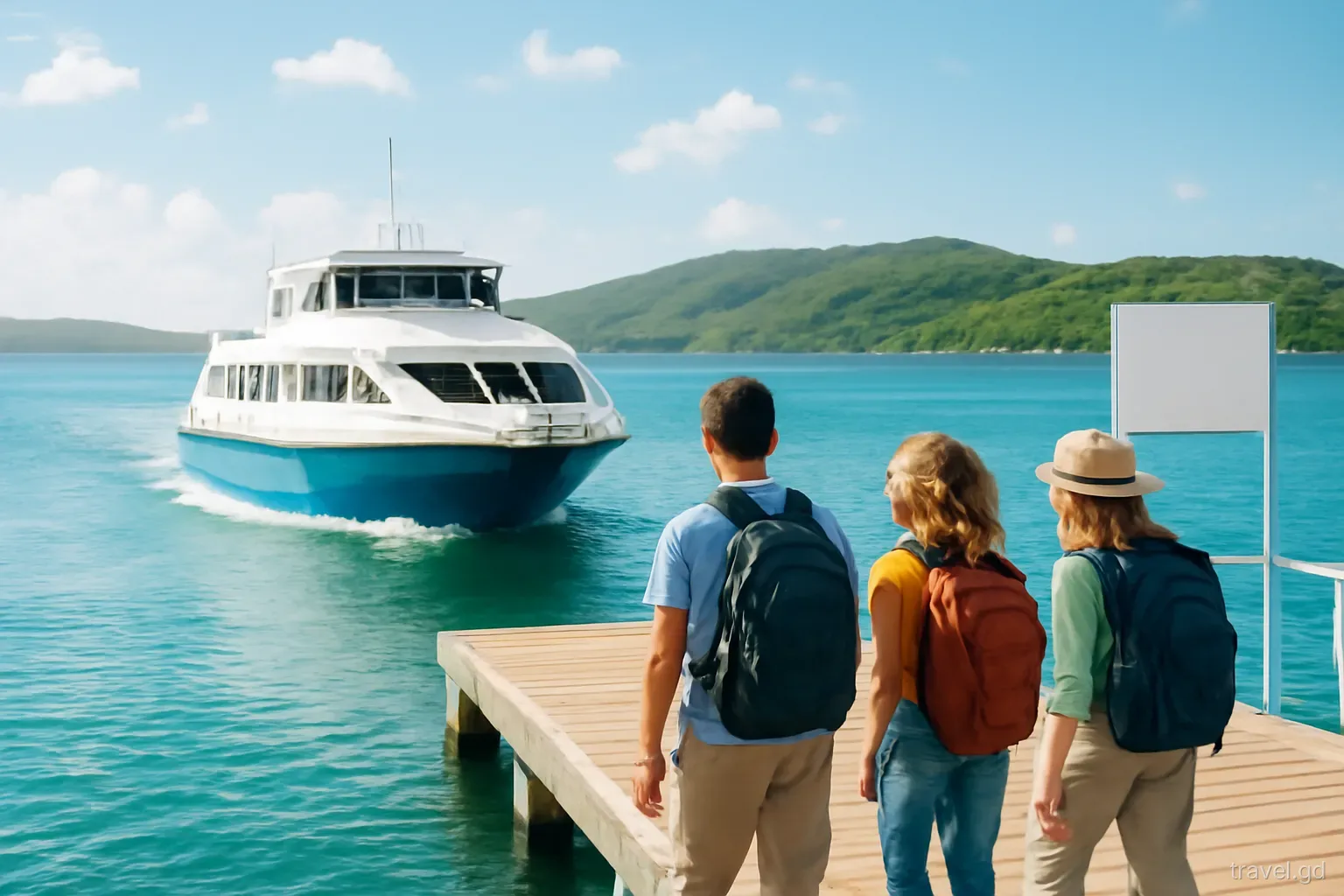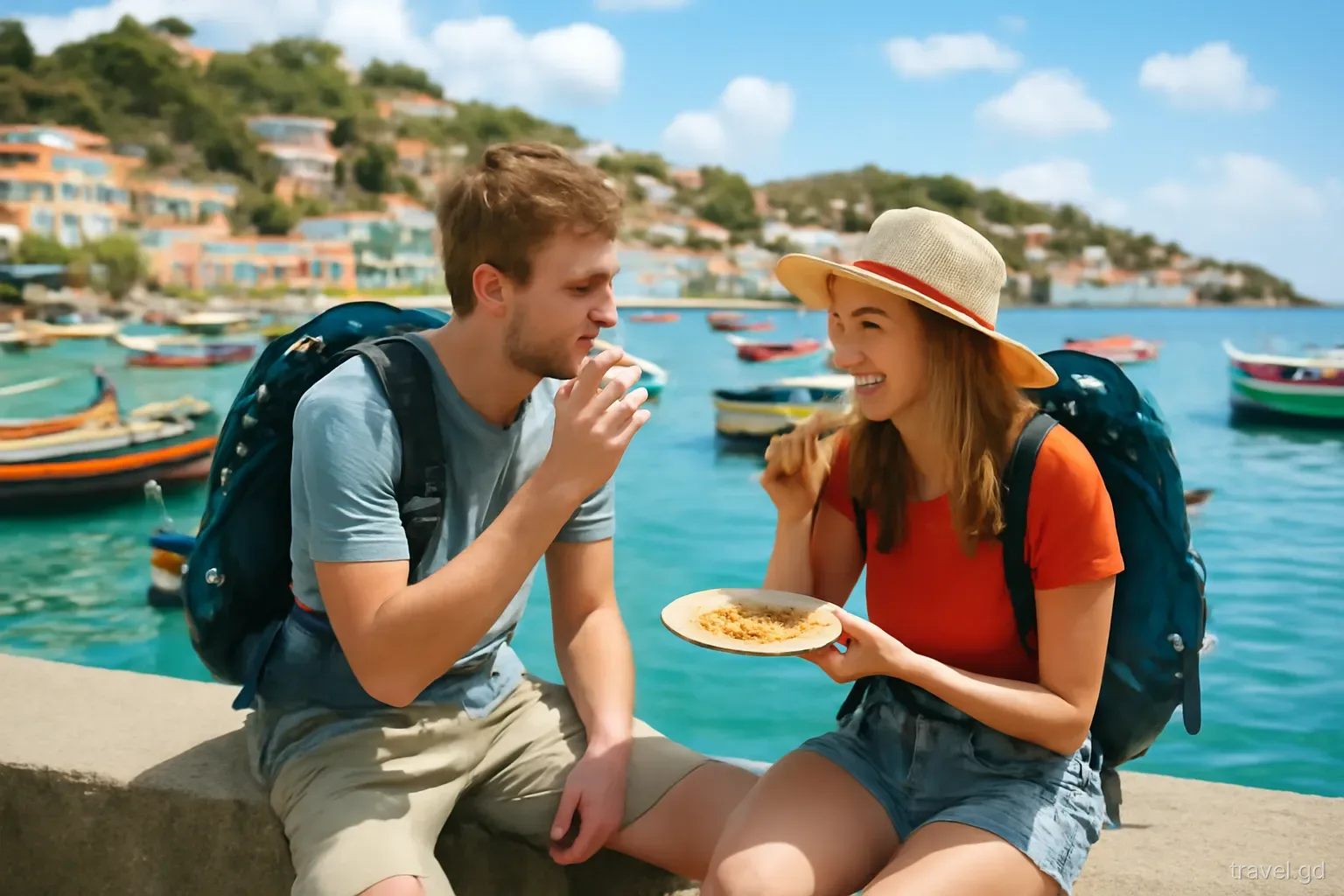
Grenada has a reputation as an upmarket island because its best-known hotels sit on the south-west coast and charge accordingly. That picture leaves out the guesthouses in the hills above Grand Anse, the route buses that cost a few EC dollars, the cook shops that sell a filling lunch for the price of a hotel cocktail, and the fact that the island's most famous beach is public and free.
A cheaper trip here is less about hunting for discounts and more about making four or five decisions well: when you travel, where you sleep, how you move around, what you eat and which paid experiences you keep. Get those right and a week can cost a fraction of the resort price while still including Grand Anse, a rainforest day, a waterfall and an evening in Gouyave. The figures below are ranges rather than quotes, since prices shift with season, fuel and import costs; confirm them when you book. The fixed rate is EC$2.70 to US$1.
Start with the dates, because they move every other price
The single largest saving comes from the calendar. Peak season runs from mid-December to mid-April, and the Christmas and New Year weeks plus Easter sit at the very top. From late April through to early December, room rates at many properties fall, sometimes substantially, and airfares from North America and Europe often soften too. Late April, May and June tend to offer the best balance of lower prices and generally drier weather before the wetter months set in.
Two exceptions catch people out. Spicemas, Grenada's Carnival, builds through late July and peaks in the second week of August, when rooms and car hire fill with returning Grenadians and regional visitors. Around those dates, low season stops being low. The hurricane season also runs from June to November; Grenada sits towards the southern edge of the usual storm tracks but is not immune, as Hurricane Ivan in 2004 and Hurricane Beryl in 2024 showed. Travel insurance that covers weather disruption is part of the budget, not an optional extra, if you travel in those months.
Sleep cheaper without sleeping badly
Look one hill back from the beach. Apartments and guesthouses in areas such as Morne Rouge, the slopes behind Grand Anse, Woburn or the roads above L'Anse aux Epines often cost far less than beachfront rooms, and the walk down to the sand is usually short. Ask how steep the walk back is before you book.
Choose a kitchen over a minibar. A room with even a basic kitchenette lets you make breakfast and pack lunches, which removes two paid meals a day. Over a week that can be worth more than the difference between two room categories.
Ask about weekly rates. Smaller, locally owned properties frequently offer a lower nightly rate for stays of a week or longer, especially outside peak season. It costs nothing to ask when you enquire.
Read what the rate includes. Compare totals after tax and service charge, not headline nightly prices. A cheaper rate plus 10 per cent service and accommodation VAT can end up close to a dearer rate that already includes them.
Consider a split stay. Two or three nights somewhere quieter, in St David, St John or on Carriacou, can lower the average cost of the trip while showing you a different side of the country.
Move around the way Grenadians do
Route buses are the budget traveller's best friend. These privately owned minibuses run fixed numbered routes from the bus terminal on Melville Street in St George's, out along the west coast to Gouyave and Sauteurs, across the island to Grenville, and down to Grand Anse and the south. Fares are regulated and distance-based: a hop between Grand Anse and town costs a few EC dollars, and even the longer runs have generally stayed around or under EC$10. Flag one down by the roadside, tell the conductor where you want to stop, and pay in EC dollars with small notes.
The trade-off is time and evenings. Buses are frequent on main routes during the day but thin out after dark and on Sundays, and they do not go up to most waterfalls or estates. A sensible pattern is to use buses for beach days and town trips, then spend money on transport only for the days that need it: one hired car or one driver-guided island tour for the interior and the north. That combination usually costs much less than a car for the whole week, which also brings a temporary driving permit fee and the stress of steep, narrow roads.
Eat well for less
Food is where visitors overspend most easily, because the restaurants closest to the hotels are priced for hotel guests. A few habits change that:
- Buy lunch where workers buy it. A roti, a box of stewed chicken or fish with rice and provisions, or a bake and saltfish from a cook shop or roadside vendor is filling and usually priced in the EC$15 to EC$35 range.
- Go to Gouyave on a Friday night. Fish Friday turns the main street of the fishing town into a row of food stalls, and grilled fish, lobster in season and fish cakes are cheaper there than in visitor restaurants.
- Use the Market Square in St George's, busiest on Saturday mornings, for fruit, vegetables and spices, and a local supermarket for basics.
- Drink local. A Carib or Stag in a rum shop costs a fraction of the hotel bar price, and fresh coconut water from a roadside vendor beats imported soft drinks.
- Check the bill. Visitor restaurants often add VAT and a service charge on top of menu prices; knowing that in advance stops a mid-range dinner turning into a splurge.
- Carry a refillable bottle. Bottled water bought one bottle at a time adds up in the heat.
Keep the experiences that matter and skip the padding
Many of Grenada's best things cost nothing. Grand Anse is public along its whole length, Morne Rouge is a short walk further on, and La Sagesse, Bathway and Levera are open to anyone who gets there. Walking the Carenage and the streets of St George's, climbing to Fort George for the view across the harbour, and watching boats come in at Grenville or Gouyave cost only your time.
Paid sites are mostly modest. Grand Etang, Annandale Falls and the estate and distillery tours charge entrance fees that usually run from a few EC dollars to the low tens of US dollars. The big-ticket items are boat trips, diving and private tours, so choose one or two that suit you rather than booking a package of everything. If snorkelling the Underwater Sculpture Park at Molinière is the priority, a shared snorkel trip costs far less than a full-day catamaran cruise and covers the same site.
Mistakes that quietly wreck a budget
Paying in US dollars without checking the rate. Many shops and taxis accept US cash but give change in EC dollars at a rate a little below the official 2.70. Small differences on every purchase add up.
Taking taxis by reflex. A short taxi ride can cost what a day of bus travel costs. Use taxis for late nights, luggage and remote spots, and agree the fare and the currency before you get in.
Booking every excursion through the hotel desk. Convenient, but commission is built in. Compare with booking directly with a licensed operator or driver.
Ignoring card fees. Foreign transaction charges and ATM fees from your home bank can add several per cent to everything. Check your card before you travel.
Forgetting the extras. Tips for guides and boat crews, sunscreen and insect repellent bought locally, and the temporary driving permit if you hire a car are all real costs. Bring sunscreen and repellent from home where you can.
Frequently asked questions
What is a realistic daily budget for Grenada as a budget traveller?
Sharing a simple room, eating mostly local food and using route buses, a daily spend of very roughly US$80 to US$130 per person is achievable outside peak season. Paid tours, boat trips and car hire push it higher. Treat this as an estimate and check current prices.
Is Grenada cheaper than other Caribbean islands?
It sits in the middle. Luxury resorts are as expensive as anywhere in the region, but local food, route buses and many guesthouses are reasonably priced. The gap between a visitor-focused budget and a local-style budget is unusually wide, which is good news if you are willing to eat and travel like a resident.
Can you get around Grenada without a car?
Yes for most of the south-west, St George's and the main coastal towns, using route buses during the day. The interior, waterfalls, estates and the far north are much easier with a driver or a hire car, so most budget travellers book one or two transport-heavy days and use buses the rest of the time.
When is the cheapest time to visit Grenada?
Room rates are usually lowest from late spring to early December, outside the Carnival period in August and the Christmas holidays. This overlaps the hurricane season from June to November, so flexible bookings and travel insurance matter more if you choose those months for the savings.
Is it safe to drink tap water in Grenada?
Mains water in much of the country is treated, and many residents drink it, though some visitors prefer filtered or bottled water to be cautious, particularly after heavy rain or storms. A refillable bottle filled from a filtered source at your accommodation saves money and plastic.
Is it better to bring US dollars or EC dollars?
Bring a card that works abroad and withdraw EC dollars from a bank ATM for everyday spending. A modest amount of US cash is useful as a backup and for tips, but paying routinely in US dollars usually means receiving change at a less favourable rate.